Rights · Magazin
Council of States says no: why lesbian, gay and bisexual employees still have no explicit protection in the Gender Equality Act
On 24 September the Council of States rejected motion 23.3238 by 25 votes to 19. Background, arguments, reactions and what those affected can do now.
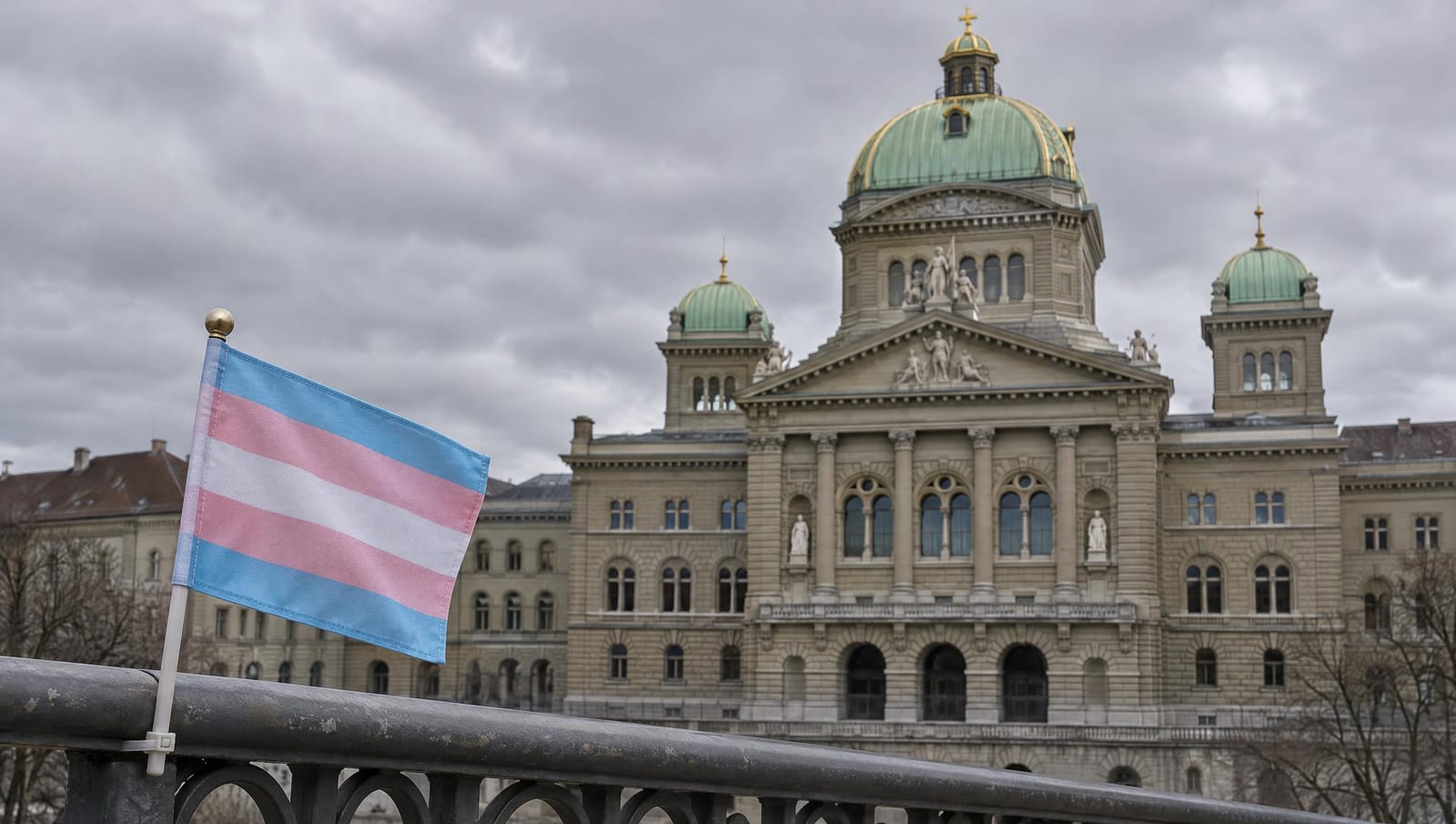
Photo source
Queer Switzerland · Queer Switzerland editorialWhat was decided On Thursday 24 September 2026 the Council of States rejected motion 23.3238 “Clarify the Gender Equality Act” by Melanie Mettler (GLP/BE) by 25 votes to 19 (Watson). It would have stated explicitly in the Gender Equality Act (GlG) that employees may not be disadvantaged because of their sexual orientation or gender identity. The National Council had backed the idea; with the Council of States’ no, the motion is closed (Watson, hr-swiss). Pink Cross presents the motion mainly as protection for lesbian, gay and bisexual people; Watson and hr-swiss also name gender identity.
The background: a 2019 Federal Supreme Court ruling The trigger was a 2019 Federal Supreme Court ruling. It held that refusing to hire someone because of sexual orientation does not breach the GlG as long as women and men are treated equally: there is no unequal treatment on grounds of sex. The GlG prohibits disadvantage in working life on grounds of sex, from hiring to pay and training, sexual harassment and dismissal. Under this case law, sexual orientation falls under it only when it is also discrimination on grounds of sex. That is exactly the gap the motion wanted to close.
The arguments According to hr-swiss, the Council of States followed the Federal Council and a committee minority around Benjamin Mühlemann (FDP/GL). Their argument: the GlG must focus on promoting equality between women and men in working life; discrimination based on sexual orientation in an employment relationship falls under the Code of Obligations (OR). The OR requires employers to protect the personality of their staff and can apply in cases such as abusive dismissal or a breach of the duty of care. According to Watson, it is undisputed that both chambers regard discrimination on grounds of sexual orientation and gender identity as documented by studies. Watson also notes that most European countries ban such discrimination in a general equality law or in employment law.
Reactions Pink Cross head Daniel Furter calls the decision “disappointing because the problem has long been known”; a targeted solution had been available. Muriel Waeger, co-head of Lesbenorganisation Schweiz (LOS), says: “Anyone who is discriminated against at work needs effective protection” – whether the ground is sex or sexual orientation. Pink Cross points to a representative gfs survey from 2025 in which 84 percent of the population favour the change, across the electorates of all major parties. Pink Cross, LOS, TGNS and Network say they will keep campaigning for legal protection against workplace discrimination. None of the sources names further parliamentary steps.
What this means for you The legal situation stays as it was: lesbian, gay and bisexual employees have no explicit protection in the GlG. Those affected rely on the OR and on the Federal Constitution, which binds the state first and foremost and acts only indirectly between private parties. Since 1 July 2020, public incitement to hatred on grounds of sexual orientation has been a criminal offence (Art. 261bis of the Criminal Code); that does not cover every workplace conflict. If you are affected, note incidents with date, place and people involved and seek advice: from Pink Cross’s legal advice, from cantonal conciliation bodies or through the LGBT+ Helpline (free, 0800 133 133). Our guide to discrimination at work explains the existing building blocks of protection.
Sources & background
- Gleichstellungsgesetz soll nicht auf sexuelle Orientierung eingehen ↗Watson · Accessed November 6, 2026
- Herbstsession 2026: Aktuelles aus Bundesbern ↗HR Swiss · Accessed November 6, 2026
- Ständerat lässt Diskriminierung von Lesben, Schwulen und Bisexuellen am Arbeitsplatz weiter zu ↗Pink Cross · Accessed November 6, 2026
- Rights of LGBTIQ persons ↗Federal Office for Gender Equality (EBG) · Accessed November 6, 2026
Last checked: