HIV testing in Switzerland: the lab rules have changed — these timelines still matter
What the FOPH has changed Switzerland’s new HIV testing directive replaces the previous, more complex laboratory system. Any microbiology laboratory licensed by Swissmedic may now perform HIV confirmation testing. The aim is a faster, consistent and quality-controlled route to diagnosis: the first sample submission should normally contain enough material for both screening and confirmation.
An HIV diagnosis still requires at least two stages. Testing starts with a fourth-generation assay that detects HIV antibodies and p24 antigen. If it is reactive, the laboratory confirms the finding on the same sample using a methodologically different technique. The interval between a reactive screen and diagnostic reporting should normally not exceed two working days. That is a laboratory-process target, not a promise about when an individual will receive a result.
What has not become shorter for you The new organisation does not change diagnostic windows. According to the Swiss AIDS Federation, a professional fourth-generation laboratory test may detect HIV from around 15 days after an exposure, but can only definitively rule it out after six weeks. An HIV self-test needs twelve weeks. A negative result before the relevant window has passed is therefore not automatically final.
A reactive self-test is not a completed diagnosis either. In this situation, the FOPH directive recommends an automated fourth-generation test and advises against using another rapid HIV test for confirmation. Assessment belongs at a testing centre or medical practice.
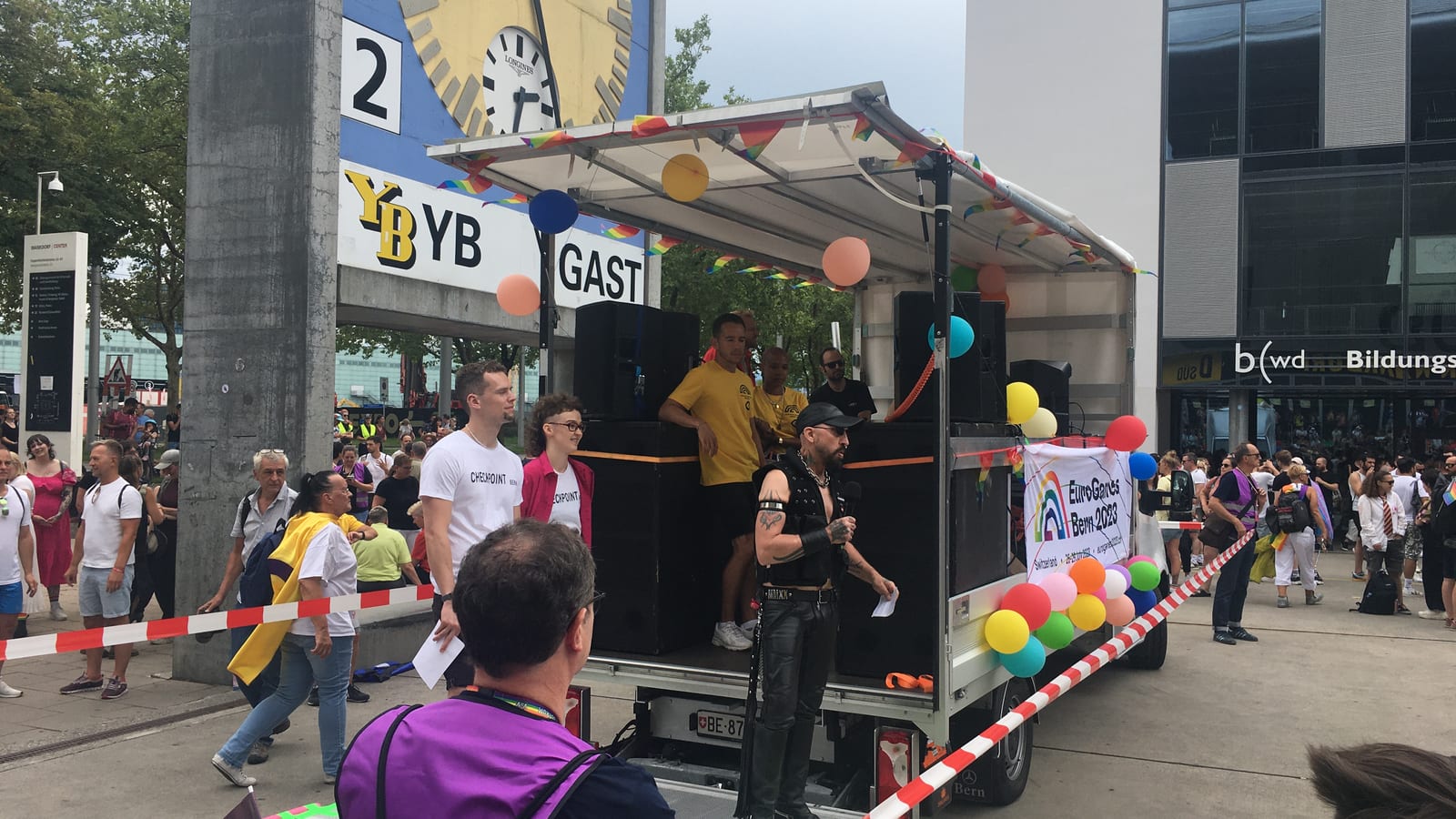
The useful shortcut is choosing the right place People who want anonymous testing or are unsure which test fits the timing can use Switzerland’s Checkpoints and specialist testing services. The Swiss AIDS Federation notes that testing there is anonymous, straightforward and often less expensive; a test billed through health insurance at a clinic or hospital is not anonymous.
This summary explains the new laboratory organisation and is not individual medical advice. After a possible recent exposure, with symptoms or following a reactive result, a specialist service can promptly assess the appropriate next steps.
Source: Swiss Federal Office of Public Health (FOPH) / Swiss AIDS Federation