Valencia becomes even more important in 2026 with the Gay Games: Ruzafa, El Carmen, city beaches, Pride and calmer Spain energy.
Valencia keeps its queer life unhurried and sun-soaked, and the centre of gravity is Russafa (Ruzafa), the bohemian barrio just south of the old town where gay-friendly cafés, design shops and small bars cluster around leafy streets. The scene is intimate rather than mega-club: at weekends people warm up at The Muse, a roomy gay bar heavy on Spanish hits that runs Friday and Saturday until the small hours, then drift to Deseo 54 on Calle de la Pepita, the city's main gay club, which packs its dancefloor from around 1am until well past dawn with international DJs and shows. For a bear-leaning, no-frills night, Bubu near the Botanical Garden pours cheap drinks and 80s–90s music from Wednesday to Sunday.
The vibe across the city is relaxed and openly accepting; you'll see the most visible queer life around Russafa and the centre, but holding hands rarely draws a glance anywhere. Valencia also delivers a beach holiday inside the city: the long urban sands of Malvarrosa and neighbouring Patacona are wide and well served by cafés, with the quieter northern stretch a known gay corner. Head south of the city and the coast turns wild and clothing-optional, the classic combination of sea, dunes and freedom that Valencia does so well.
Pride here, the Orgullo organised by the veteran Col·lectiu Lambda, fills the last days of June with a parade through the centre to Plaza del Ayuntamiento plus concerts and street parties. In 2026 the city hits a historic high: it hosts the Gay Games XII from 27 June to 4 July, the first time the Games come to Spain, with tens of thousands of athletes and visitors layered on top of Pride week.
Practical tip: base yourself in or around Russafa. It puts you walking distance from the gay bars, the Mercado de Russafa and the best brunch spots, with the train station and the old town a short stroll north and the City of Arts and Sciences a flat bike ride away along the Turia gardens.
Map
Why it's a gay destination
Valencia's modern queer story begins with the end of the Franco dictatorship. Homosexuality had been persecuted under Franco-era laws such as the 1970 Ley de Peligrosidad y Rehabilitación Social, and only with the democratic transition did things shift: organised activism emerged in the city with the Moviment d'Alliberament Sexual del País Valencià (MAS-PV) in 1977, which staged Valencia's first public LGBTI demonstration on 24 June 1979 — the same year Spain effectively decriminalised homosexual acts. That early movement matured in 1986 into the Col·lectiu Lambda, still the city's leading LGBTI association and the organiser of its Pride. Spain's later milestones, including nationwide same-sex marriage in 2005, cemented a climate that turned this Mediterranean city into one of the country's most relaxed and welcoming gay destinations, with Russafa as its visible heart.
Gay districts
What to do
- Gay Games XII Valencia 2026 from 27 June to 4 July.
- Ruzafa, Pride, city beaches and Albufera.
Points of interest
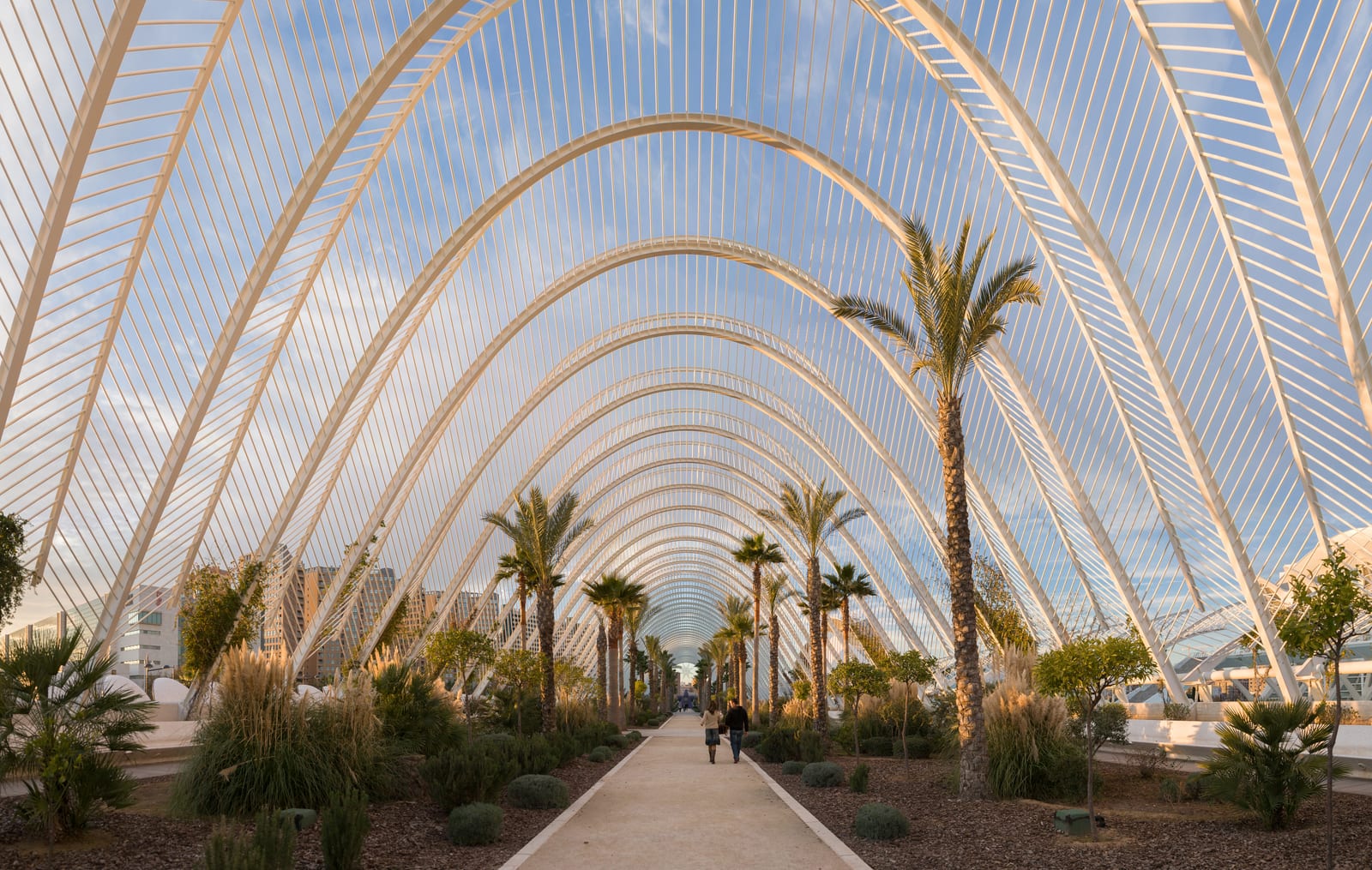
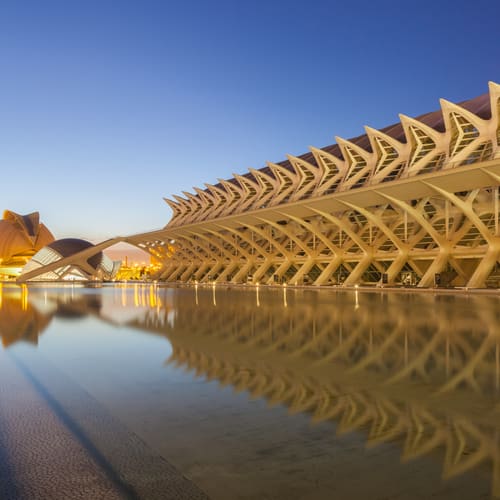 Ciudad de las Artes y las Ciencias — Santiago Calatrava's futuristic complex on the old Turia riverbed, home to a science museum, planetarium and L'Oceanogràfic, Europe's largest aquarium.
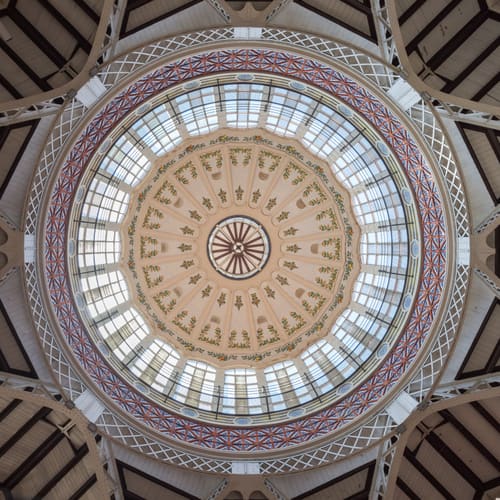 Mercado Central — One of Europe's largest fresh-food markets, a Modernista iron-and-glass hall packed with stalls of jamón, seafood, cheeses and produce.
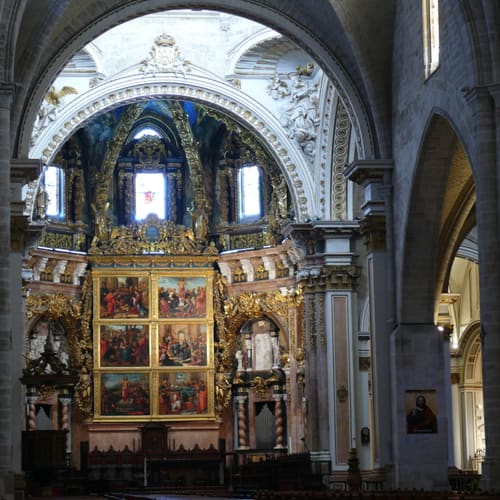 Catedral de Valencia y el Miguelete — A cathedral blending Romanesque, Gothic and Baroque that claims to hold the Holy Chalice; climb the 207 steps of the Miguelete tower for a 360° view.
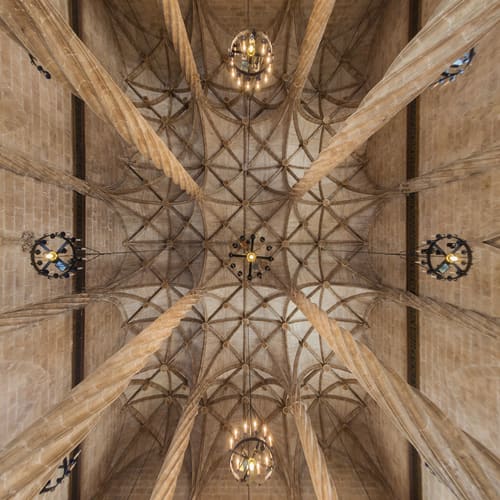 La Lonja de la Seda — A masterpiece of civil Valencian Gothic and a UNESCO World Heritage Site, the old silk exchange with its forest of spiralling stone columns.
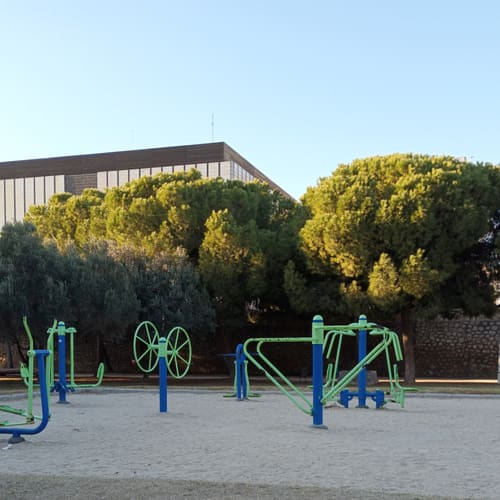 Jardín del Turia — A 9-km green ribbon laid out in the drained Turia riverbed, looping the city for walkers, cyclists and runners — Valencia's outdoor living room.
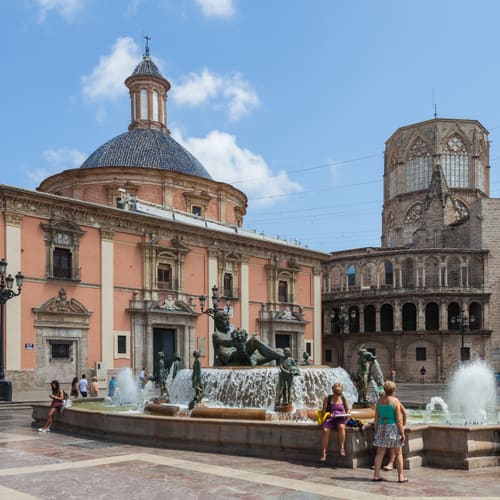 Plaza de la Virgen — One of the old town's most atmospheric squares, framed by the Basilica and cathedral, with a fountain symbolising the Turia and its eight irrigation canals.
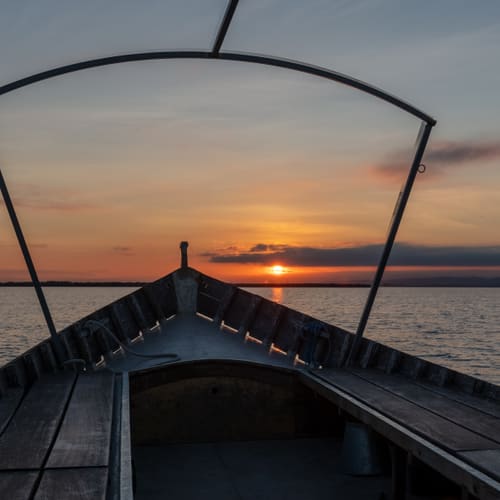 Parque Natural de la Albufera — Spain's largest freshwater lagoon, 10 km south of the city, where you can drift through rice paddies and reed beds and catch a famous sunset by boat.
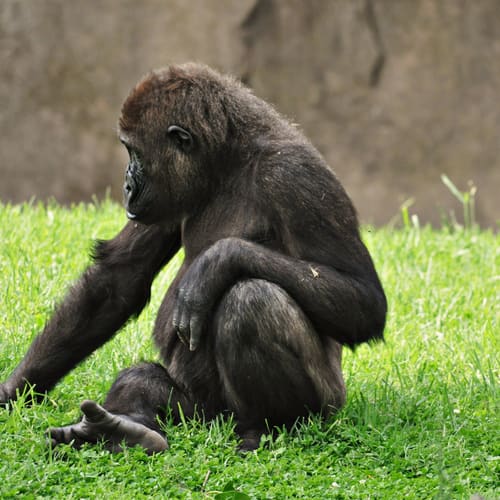 Bioparc Valencia — An immersive zoo at the western end of the Turia gardens that swaps cages for recreated African habitats of savannah, wetland and equatorial forest.
Beaches
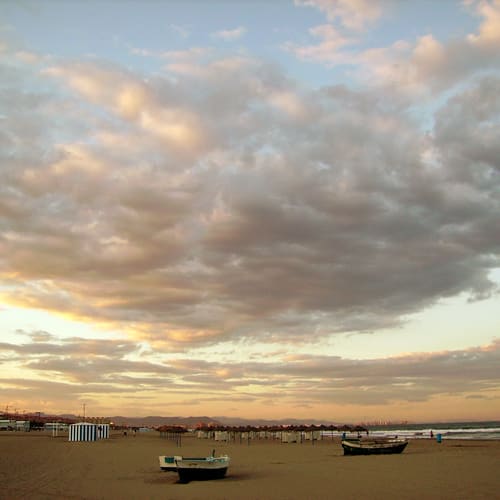 Playa de la MalvarrosaMixedValencia's iconic city beach, wide and lined with cafés and paella restaurants; the quieter northern stretch is a known gathering spot for gay locals.
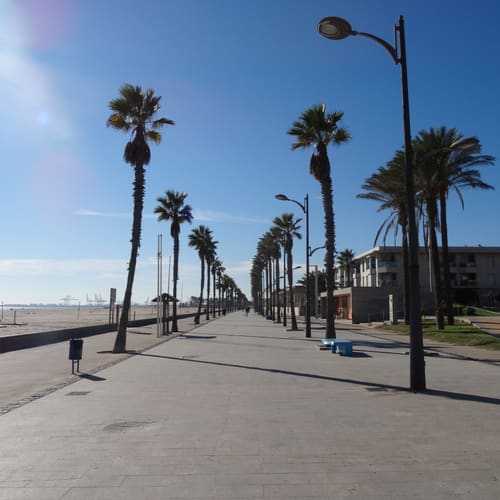 Playa de la PataconaMixedThe hip northern continuation of Malvarrosa, lined with stylish beach bars and chiringuitos and a regular setting for LGBTQ+ beach gatherings.
- Playa de l'Arbre del Gos (Pinedo)Nudist / FKKAbout 8 km south of the centre near Pinedo, this is Valencia's classic gay and nudist beach, with a well-known clothing-optional zone around an old factory.
- Playa de la GarroferaNudist / FKKA long unspoilt naturist beach backed by dunes and pines further south near the former Hotel Sidi Saler, popular with the LGBTQ+ and nudist crowd.
Notable events
- Orgullo Valencia (Pride)Jun 2026Valencia's Pride, organised by the veteran Col·lectiu Lambda, with a parade through the city centre to Plaza del Ayuntamiento plus concerts and parties over the last days of June.
- Gay Games XII Valencia27 Jun–4 Jul 2026The first Gay Games ever held in Spain, an eight-day international festival of sport and culture with dozens of disciplines, drawing thousands of athletes and visitors.
- Deseo 54 Fallas Circuit FestivalMar 2026A gay circuit party series around the city's huge Fallas festival in March, hosted at the flagship Deseo 54 club with guest DJs.
- When to go
- June/July 2026 for Pride and Gay Games; May-October for beach.
- Pride
- Valencia Pride · June
- Getting there from Switzerland
- Flights from Switzerland; easy to combine with Madrid/Barcelona.
Updated: 2026-06-23