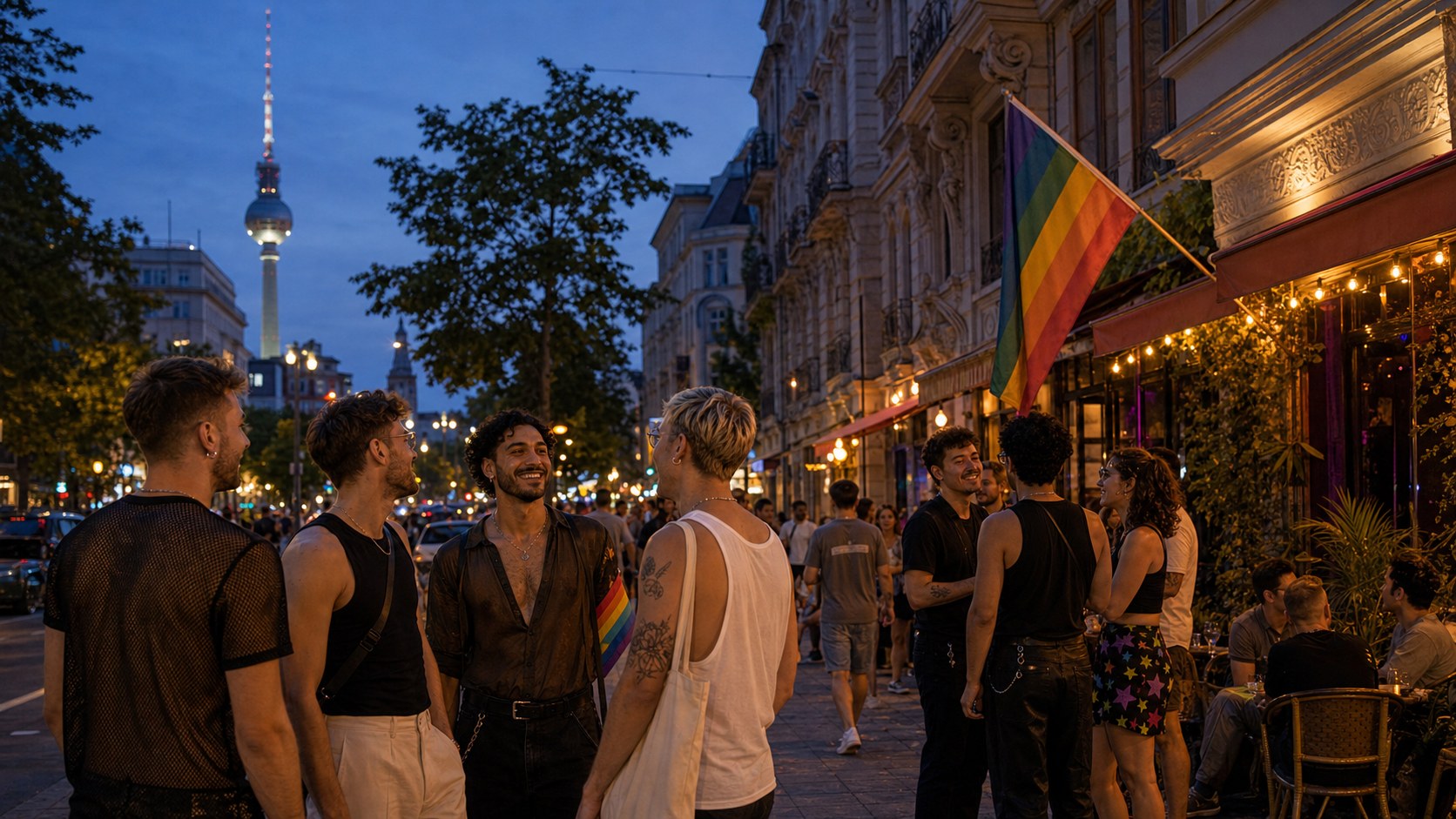
Europe's queer capital: the historic gay village of Schöneberg, legendary nightlife, Christopher Street Day and Folsom Europe. A city that lives queer culture openly, all year round.
Berlin is one of the freest queer cities on earth — a capital where gay life isn't tucked into a single corner but sets the pulse of the whole city. The traditional heart beats in Schöneberg around Nollendorfplatz, one of the great LGBTQ+ squares in the world, watched over by the pink-triangle memorial to the gay victims of Nazism. Along Motzstraße and Fuggerstraße you'll find the classics — Hafen, Prinzknecht, Tom's Bar and Café Romeo und Romeo, today's living-room of the neighbourhood. Schöneberg is cosy and community-driven; the younger, rougher queer Berlin has migrated to Neukölln and Kreuzberg.
The nights are legendary and basically endless. Berghain — technically mixed but woven deep into gay Berlin's DNA — is the city's most mythologised club, with a merciless door and a sound system without equal. In the same building sits Lab.oratory, the best-known men's fetish and cruising club in Europe. SchwuZ in Neukölln, set in a former brewery, is the big queer institution with drag, pop and themed nights, while KitKatClub stands for sex-positive, anything-goes hedonism. Spend a weekend here and you learn fast: in Berlin tolerance isn't a campaign, it's a default setting.
By day, the Schwules Museum — one of the oldest and most important queer museums in the world — is worth your time, and in summer everyone drifts out to the FKK (nudist) lakes of the Grunewald. Berlin is cheap compared with Zürich or Geneva, superbly connected by S-Bahn and U-Bahn, and studded with queer events all year round. For queer travellers from Switzerland it's the obvious big-city escape: two hours by plane, and yet a different world.
Map
Why it's a gay destination
Berlin has the oldest organised queer history on earth. As early as the 1890s, the physician Magnus Hirschfeld founded the first homosexual-rights movement here, and in 1919 the Institute for Sexual Science — until the Nazis ransacked it and burned its library in 1933. During the "Golden Twenties", Schöneberg was Europe's gay Babylon, a reputation that inspired Christopher Isherwood and, through him, "Cabaret". After decades of persecution — Paragraph 175 was only fully repealed in 1994 — the reunified Berlin of the 1990s became a magnet for queer freedom, techno and sexual liberation, a status it has never lost.
Gay districts
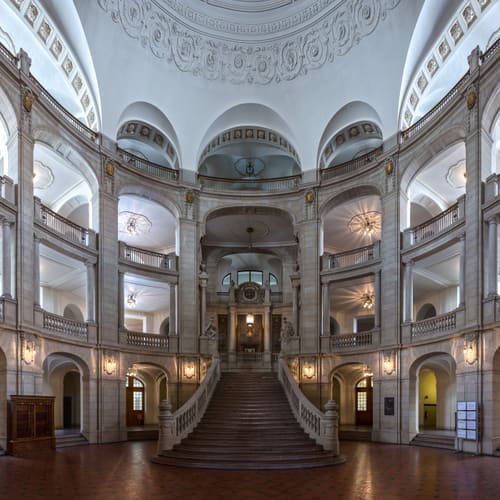
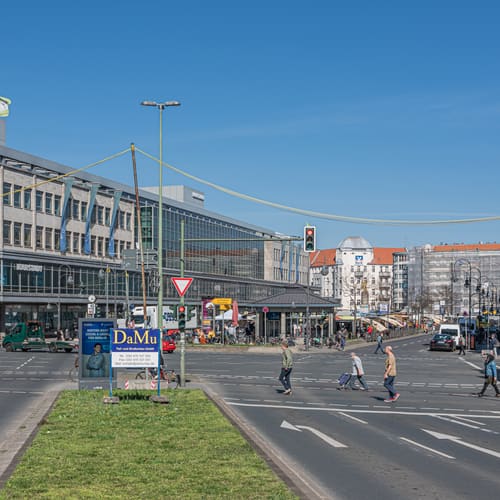
What to do
- Bars and cafés in Schöneberg around Nollendorfplatz.
- Christopher Street Day (Pride) in July — one of Europe's biggest marches.
- Folsom Europe in September; clubbing at SchwuZ and Berlin's famous techno scene.
- Culture: the Schwules Museum and, in summer, the bathing lakes around the city.
Points of interest
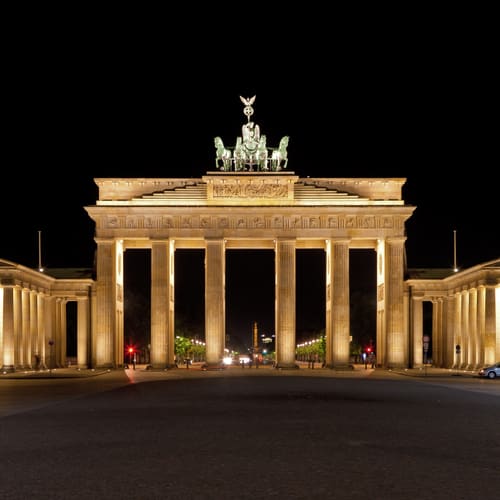 Brandenburger Tor (Brandenburg Gate) — Berlin's 1791 landmark and symbol of reunification; open and free to visit around the clock.
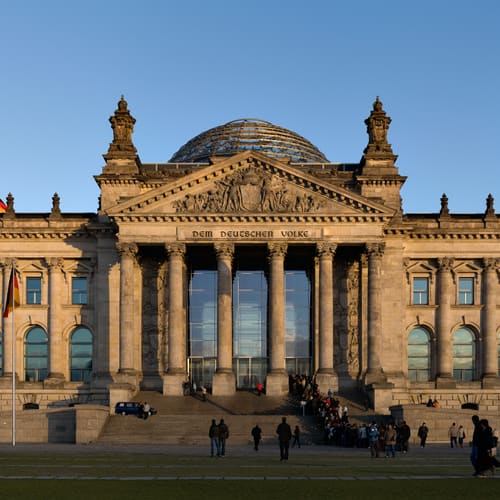 Reichstag — Parliament building with a walk-in glass dome and panoramic views; free, but online registration is required.
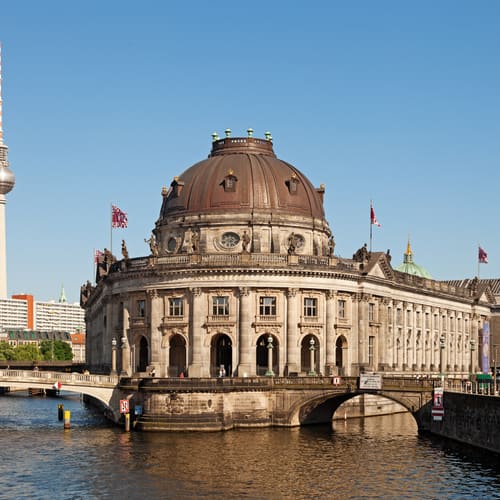 Museumsinsel (Museum Island) — UNESCO World Heritage site with five museums spanning over 6,000 years of art and culture.
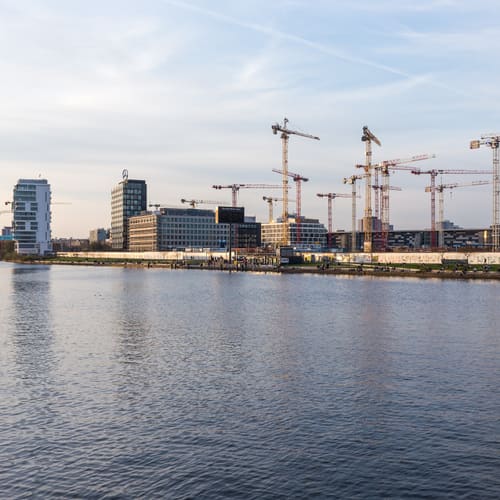 East Side Gallery — At over 1,300 m, the longest surviving stretch of the Berlin Wall, painted by 118 artists from 21 countries.
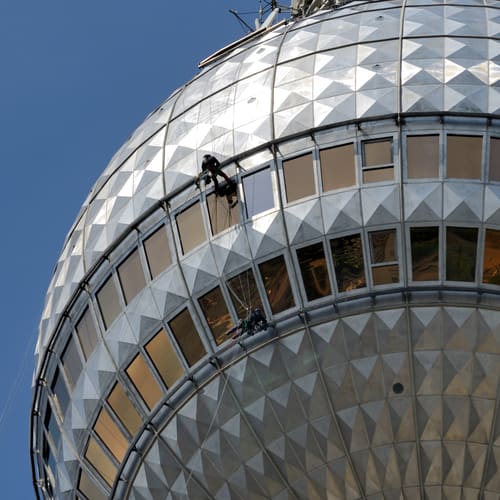 Fernsehturm (TV Tower) — At 368 m the tallest building in Berlin, with a 360° panorama from Alexanderplatz.
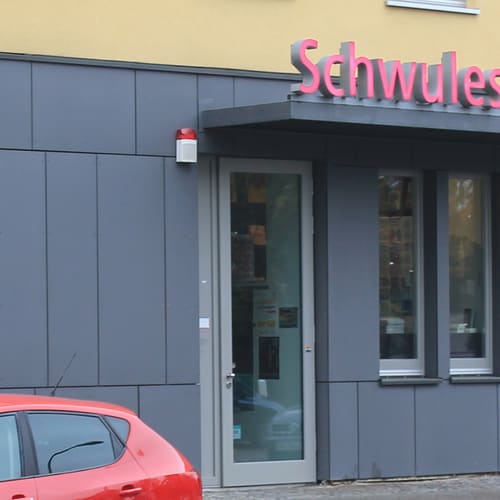 Schwules Museum — One of the oldest and most important queer museums in the world, with rotating exhibitions and an archive.
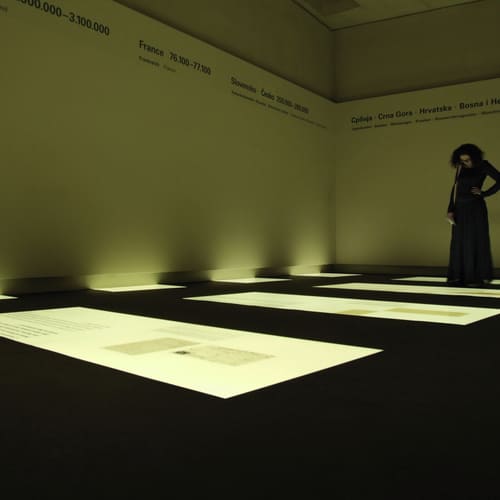 Memorial to the Murdered Jews of Europe (Holocaust-Mahnmal) — Field of stelae near the Brandenburg Gate; a moving memorial with an underground information centre.
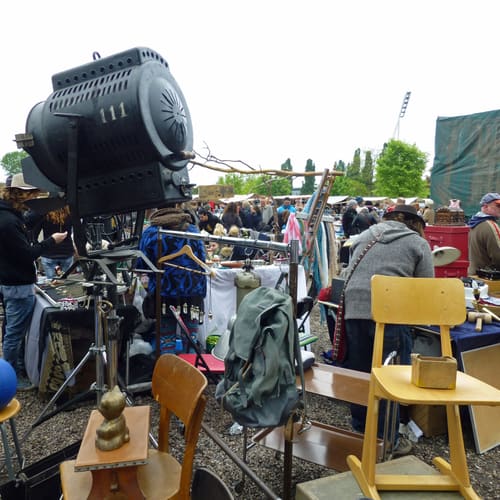 Mauerpark Flohmarkt — Sunday flea market in Prenzlauer Berg with outdoor karaoke in the amphitheatre; a classic Berlin weekend ritual.
Beaches
- Teufelssee (Grunewald)GayBerlin's gay FKK lake in the middle of the Grunewald forest; no entry fee, no closing time, livelier the later the afternoon gets.
- Krumme LankeNudist / FKKClear forest lake on the edge of the Grunewald in Zehlendorf with sandy beaches; nudism allowed everywhere.
- SchlachtenseeMixedPopular swimming lake in the Grunewald chain in Zehlendorf, also a favourite with the queer community.
Notable events
- Christopher Street Day (CSD) — Berlin Pride24–25 Jul 2026Berlin's main Pride: for the first time across two days, with a rally at the Brandenburg Gate (Fri) and the main parade on Saturday.
- Folsom Europe11–12 Sep 2026Europe's biggest leather and fetish festival; a street fair in Schöneberg plus a week of official parties (ADAM, PIG, BEAR DANCE and more).
- Berlin Pride Month26 Jun – 27 Jul 2026Four weeks of talks, parties and community events building up to CSD.
- Lab.Dance (Lab.oratory)monthly, first Friday 2026Monthly dance party at the legendary men's fetish club next to Berghain (e.g. 3 Jul, 7 Aug, 4 Sep 2026).
- When to go
- Summer for CSD (July) and the best nightlife; Folsom Europe in September.
- Pride
- CSD Berlin · July
- Getting there from Switzerland
- Direct flights from Zürich, Geneva and Basel in about 1h30.
Updated: 2026-06-23