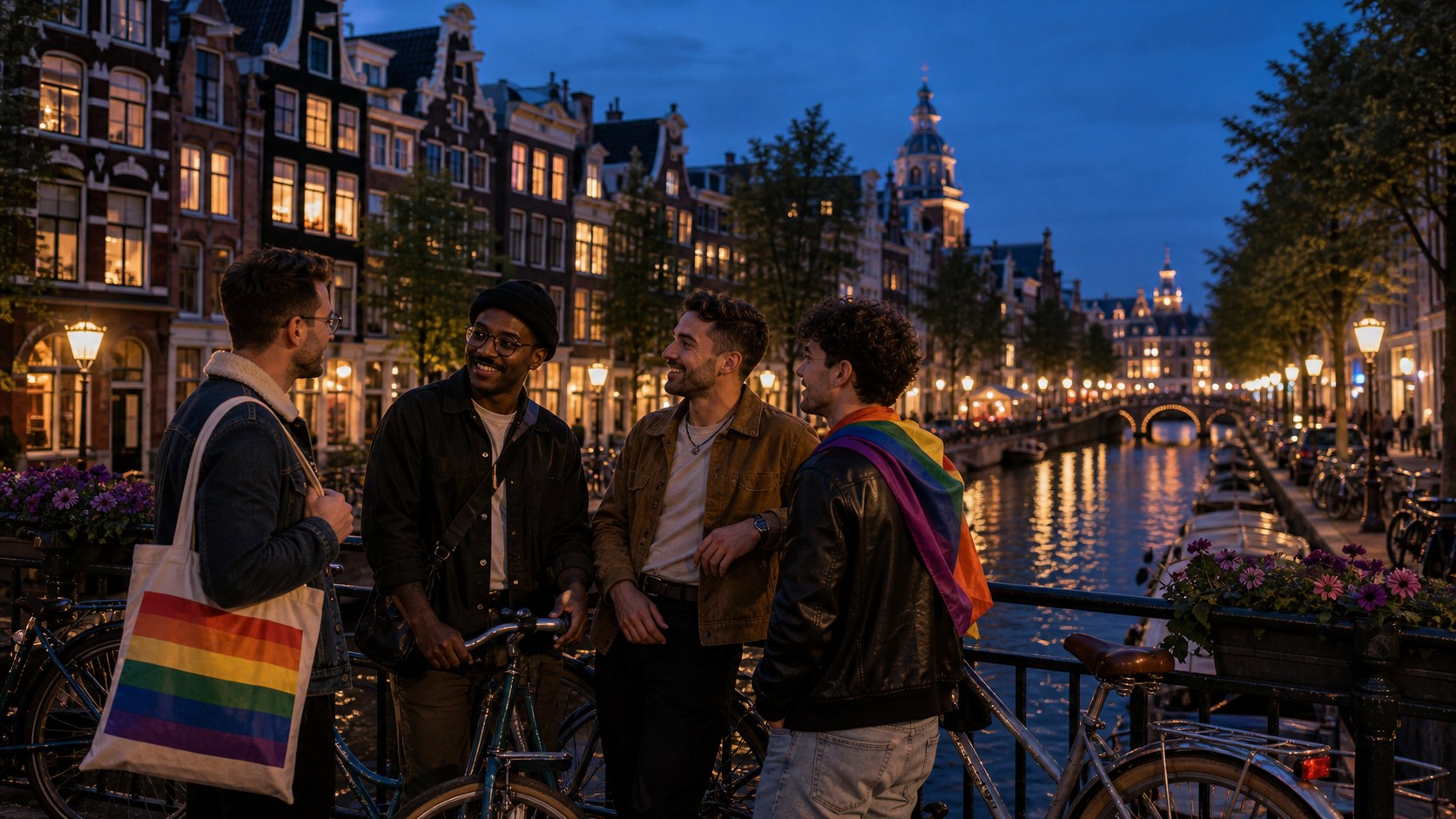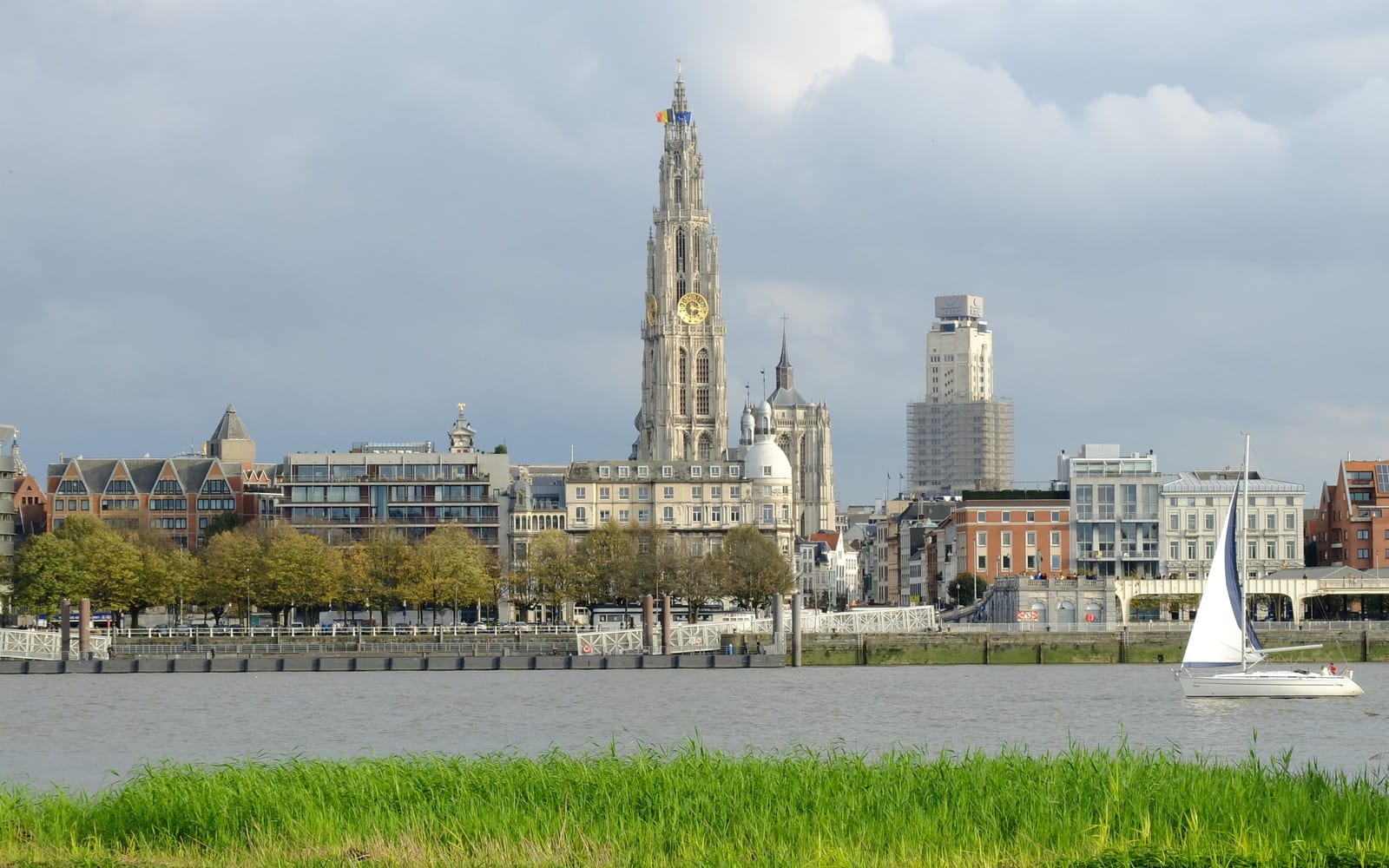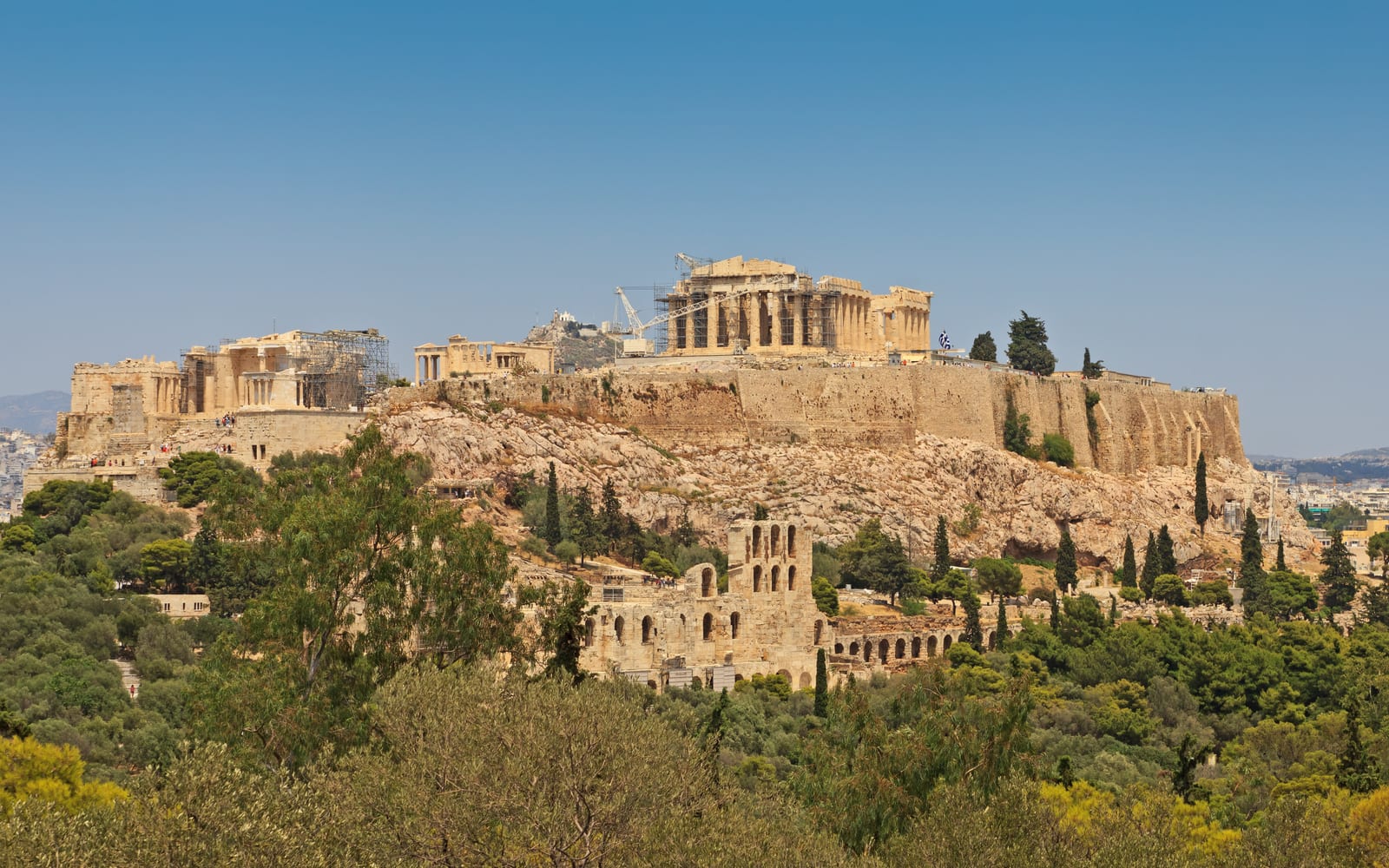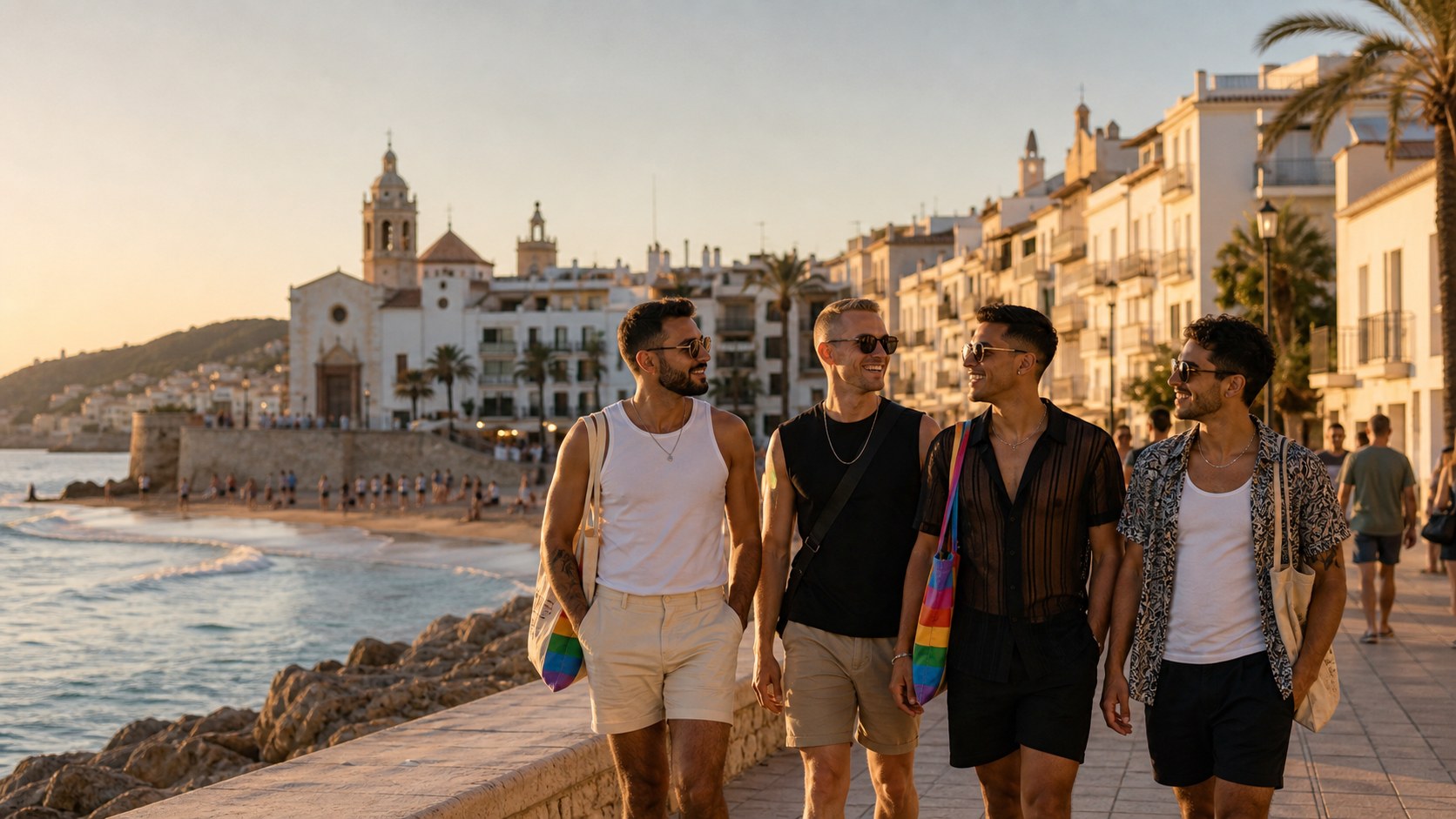
Sitges is the classic queer beach town near Barcelona: compact, walkable and visibly gay around the old town, promenade and beaches. It works especially well as a beach extension to a Barcelona trip.
Sitges is the Mediterranean's gay living room: a whitewashed Catalan seaside town of only about 25,000 residents, just 35 km south of Barcelona and reachable in roughly 40 minutes on the R2 Sud regional train from Barcelona Sants. The whole scene is packed into the old town between the beach and the parish church of Sant Bartomeu, and that compactness is part of the charm — you can walk it end to end in five minutes.
The heart of the night is Carrer Primer de Maig, affectionately known to locals as the "Street of Sin", together with the adjoining Carrer del Marquès de Montroig and Plaça de la Indústria. Roughly two dozen gay bars and clubs line up in this tiny footprint. The anchor is Parrots Pub, whose terrace has been the community's de facto town square since the late 1970s; alongside it sit Queenz for drag shows and El Horno for a bear- and leather-friendly crowd. Bars often open in the afternoon, peak between 11pm and 2am, after which the late-night clubs take over.
By day everything shifts to the sand. The central Platja de la Bassa Rodona is the classic gay town beach, minutes from the bars; for nude and more mixed crowds, walk on to Balmins or further to the secluded Platja de l'Home Mort. Sitges is relaxed, sun-soaked and matter-of-factly queer — a place where holding hands is the baseline, not a brave statement.
Map
Why it's a gay destination
Sitges' queer history begins with art. In the late 19th century the Catalan painter and writer Santiago Rusiñol, drawn by the town's light and white walls, turned the fishing village into a stronghold of Modernisme; his house-studio Cau Ferrat became the gathering point for a bohemian, often gay and bisexual artistic crowd. Over the years figures such as Diaghilev, Lorca and Dalí passed through, and Sitges built a reputation as a tolerant, free-spirited refuge.
In the 1960s, in the middle of the Franco dictatorship, that reputation hardened into an almost secret haven: while queer life in Spain was illegal and dangerous, Sitges — like Ibiza — was a place where gay men could feel discreet but relatively safe. From that clandestine underground the scene grew openly after Franco's death into what now makes Sitges one of Europe's best-known gay destinations.
Gay districts

What to do
- Gay beaches such as Bassa Rodona and the wilder Platja de l'Home Mort.
- Sitges Pride in June and Carnival in winter/spring.
- Bars, terraces and short distances instead of big-city stress.
- Easy day-trip or weekend combination with Barcelona.
Points of interest
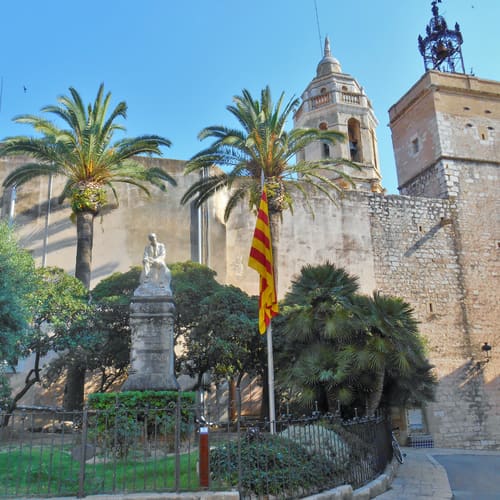 Església de Sant Bartomeu i Santa Tecla — The 17th-century baroque parish church perched on a rocky outcrop over the sea — the most photographed silhouette in Sitges.
 Museu del Cau Ferrat — Santiago Rusiñol's 1890s house-studio, crammed with his art, works by friends including Picasso, and his wrought-iron collection.
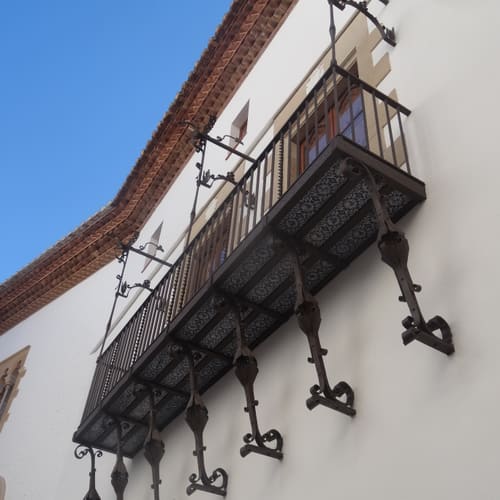 Museu de Maricel — Right next to Cau Ferrat: Catalan art from the 10th century to the modern era, in a palace overlooking the sea.
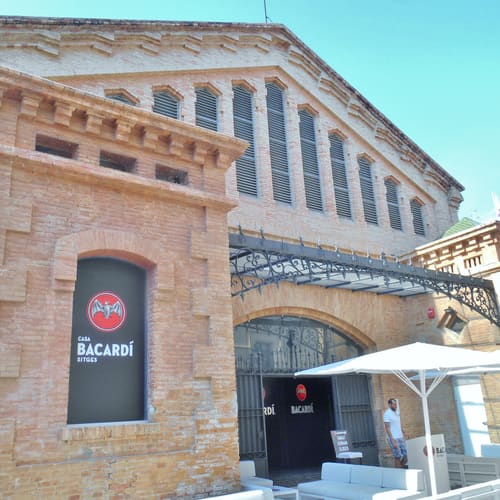 Casa Bacardí — In the Modernista old market (Mercat Vell): a visitor centre to Facundo Bacardí, the Sitges-born founder of the rum dynasty, with cocktail tastings.
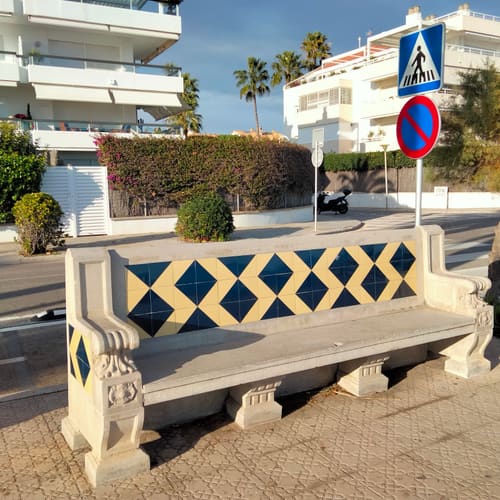 Passeig Marítim — The wide seafront promenade linking nearly the whole town along the coast — perfect for a sunset stroll.
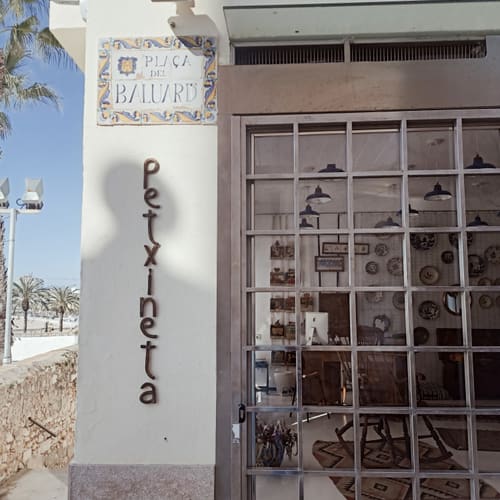 Plaça del Baluard (La Punta) — A viewpoint square beside the church with sweeping views of the sea, marina and the whole shoreline; gateway to the old town.
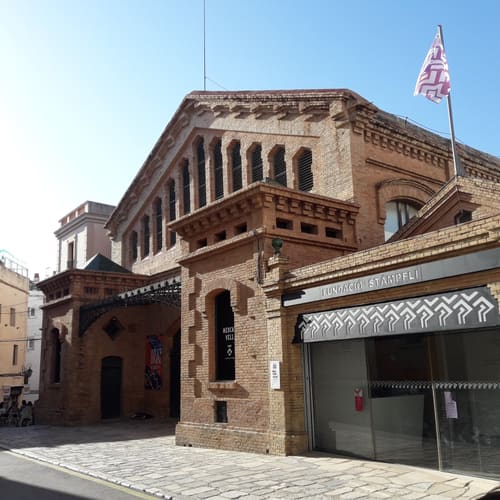 Mercat Vell — An 1889 brick market in the Modernista style of architect Gaietà Buïgas, now a cultural space and home to Casa Bacardí.
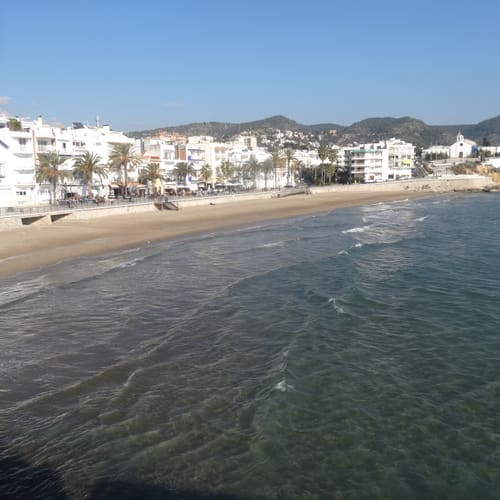 Platja de Sant Sebastià — A calm, family-friendly beach right beside the old town on the quieter side of the church — the laid-back counterpoint to the scene beaches.
Beaches
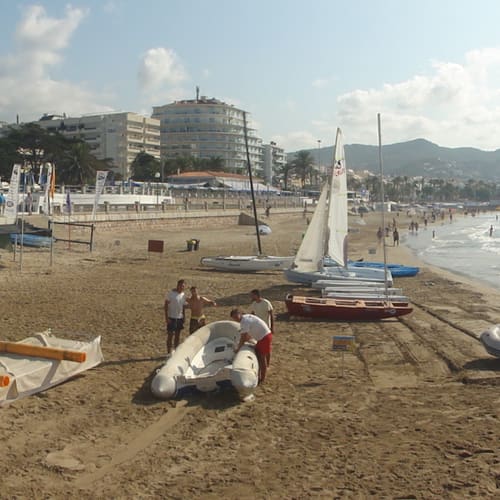 Platja de la Bassa RodonaGayThe central gay town beach, minutes from the bars; with sunbeds, umbrella rental and lifeguards.
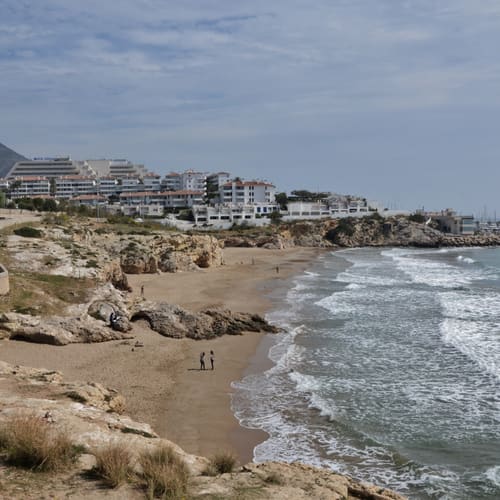 Platja dels BalminsNudist / FKKA clothing-optional cove about 15 minutes' walk from the centre, mixed crowd with a strong bear presence.
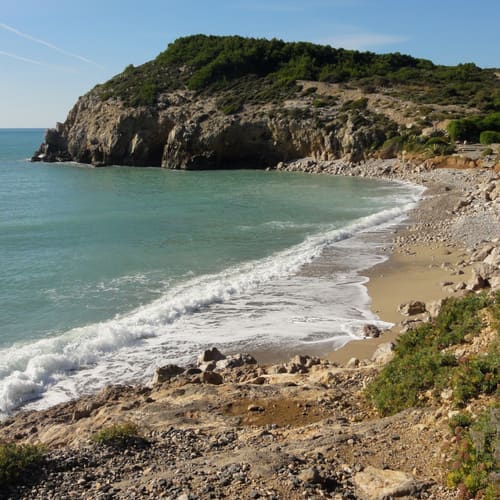 Platja de l'Home MortGayA secluded nude beach 30–45 minutes along the coastal path beyond the cliffs; a gay men's gathering spot for decades.
Notable events
- Carnaval de Sitges12–18 Feb 2026One of Spain's most flamboyant carnivals with a strong queer streak; the big parades fall on Sun 15 and Tue 17 February.
- Sitges Pride10–14 Jun 2026"Pride by the sea": five days of drag acts, DJs, pool parties and t-dances; the parade rolls on Sunday afternoon at 5pm.
- Bears Sitges Week4–13 Sep 2026Europe's biggest bear gathering; the Bear Village runs 7–13 September with parties, beach and community programming.
- Sitges Film Festival (Festival Internacional de Cinema Fantàstic de Catalunya)8–18 Oct 2026The world's leading fantasy and horror film festival; the iconic Zombie Walk turns the old town into an apocalypse.
- When to go
- May to September for the beach; Pride is usually in June, Carnival varies in winter/spring.
- Pride
- Sitges Pride · June
- Getting there from Switzerland
- Fly from Switzerland to Barcelona (ZRH/GVA/BSL have direct flights depending on season), then take the train or taxi to Sitges in about 35-45 min.
Updated: 2026-06-23