EU strategy 2026-2030: why it also matters for queer people in Switzerland

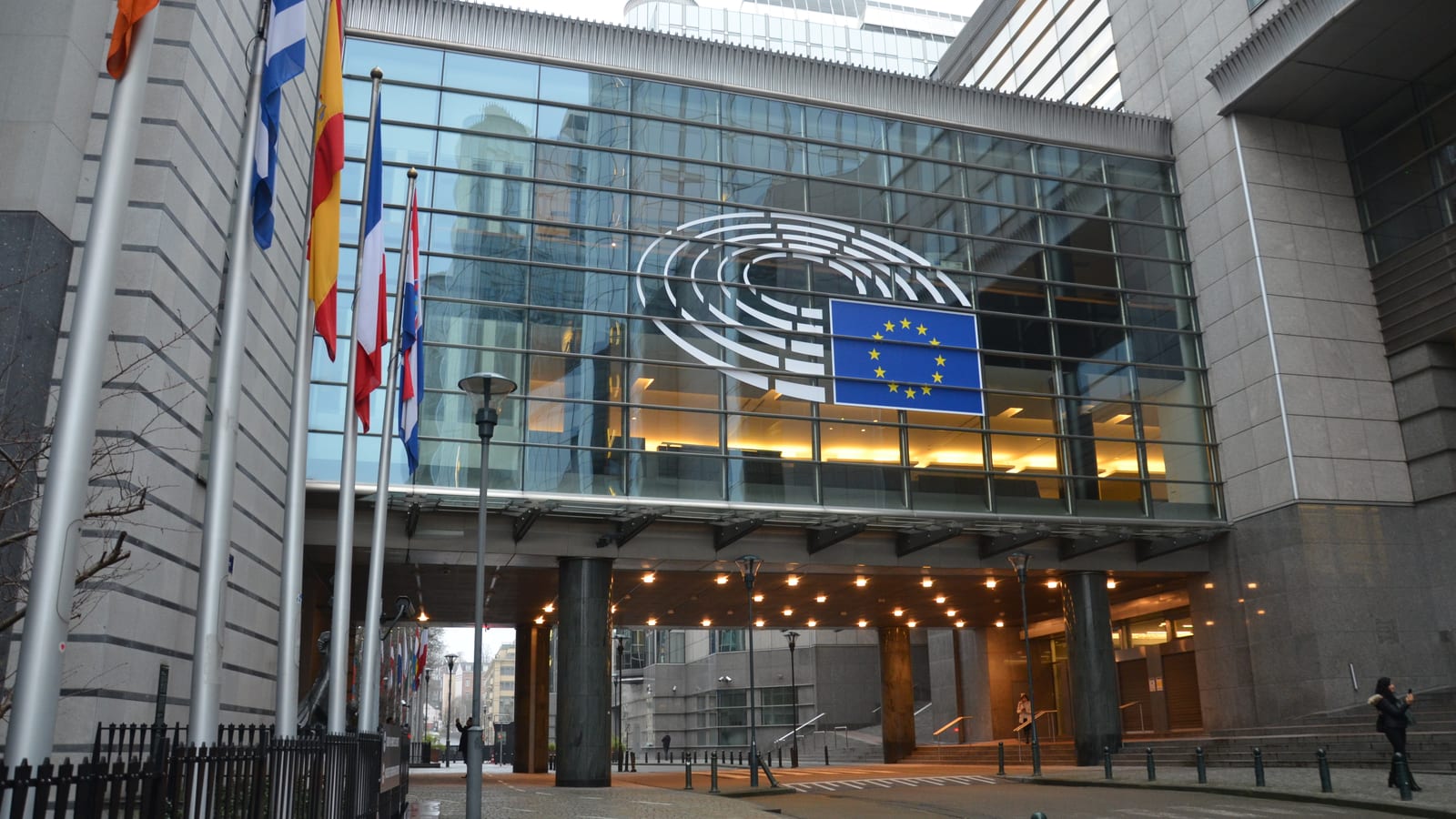
The European Commission has presented its LGBTIQ+ Equality Strategy 2026-2030 as the next phase of its Union of Equality work. The strategy focuses on protection from harmful practices and hate-motivated offences, empowerment of communities and equality bodies, and cooperation with civil society, member states and other actors. For Switzerland this is not directly binding EU law, but it is politically and practically relevant.
The reason is simple: queer life in Switzerland does not stop at the border. Many people travel, work, study, love and organise between Basel, Geneva, Zurich, Milan, Paris, Lyon, Vienna, Berlin or Copenhagen. When the EU sets standards for data collection, protection from conversion practices, support for civil society or hate-crime policy, it also influences expectations toward Swiss institutions.
The strategy also names a problem visible in Swiss data: social acceptance and legal progress can exist alongside more reported harassment and violence. Visibility brings rights, but also backlash. That is why it is not enough to list Pride dates and travel destinations; a platform for queer people in Switzerland also needs to make safety, legal, health and community infrastructure understandable.
For organisations in Switzerland, the EU strategy can work as a reference frame. It helps make demands more concrete: better data, protection from violence, support for counselling services, access for trans and intersex people, international cooperation and stable funding. In border regions, European comparison is not academic; it is everyday life.
Queer Switzerland should not treat the strategy as an abstract EU story. It is more useful to read it together with the Swiss action plan, OSCE data and local resources. That creates an editorial frame: which standards are developing in Europe, where does Switzerland stand, and which concrete information helps people today?
Source: European Commission