Switzerland's anti-discrimination criminal norm: what Article 261bis covers since 2020 — and the gender-identity gap

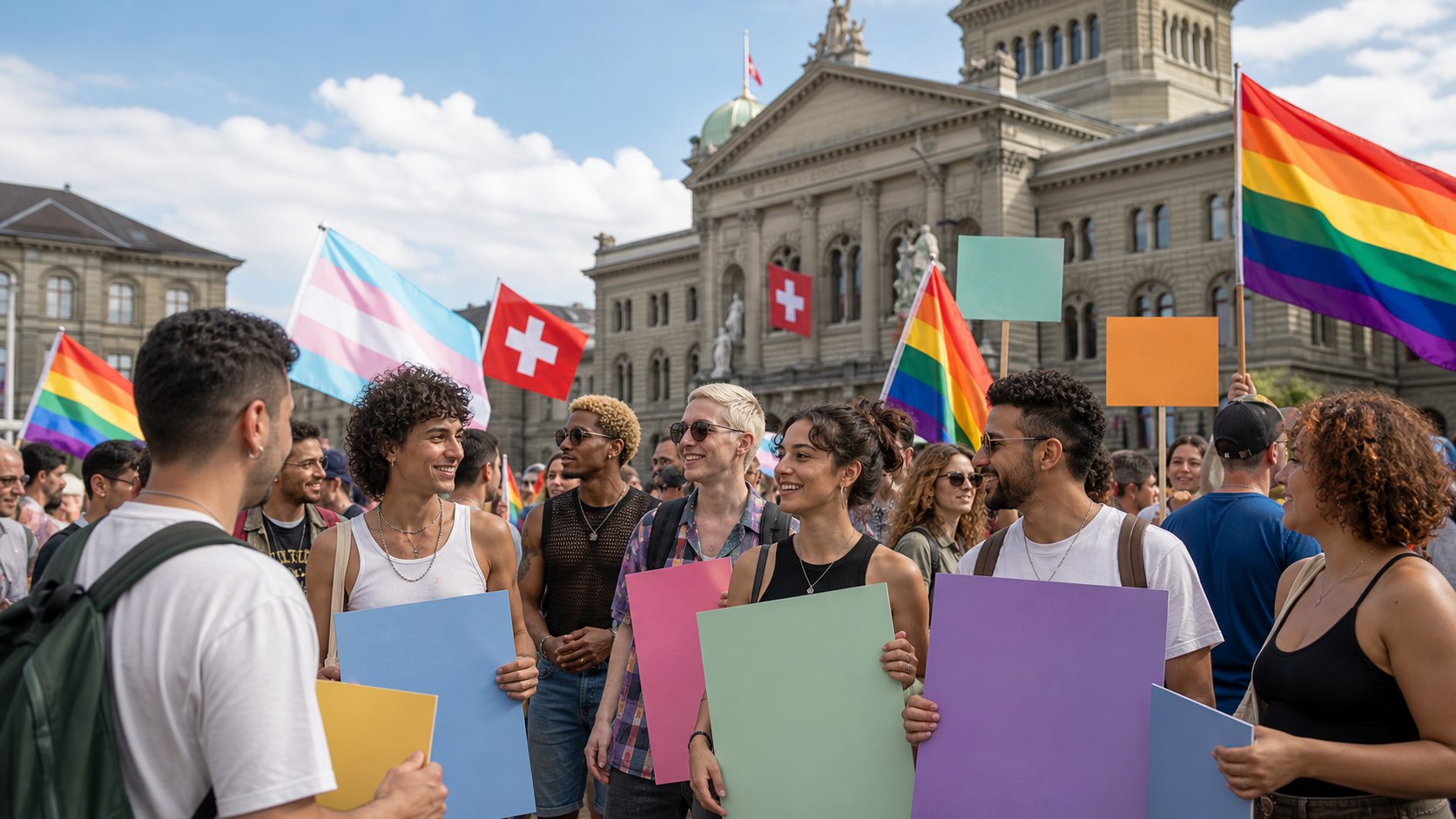
Since 1 July 2020, Swiss criminal law has explicitly protected against discrimination and public incitement to hatred based on sexual orientation. This became possible through the extension of the existing anti-discrimination criminal norm, Article 261bis of the Criminal Code (StGB), which had originally been created to combat racism and antisemitism. Voters accepted the amendment on 9 February 2020 with around 63 percent yes, after a referendum had been called against it. The change entered into force on 1 July 2020.
In concrete terms, Article 261bis has since named four protected characteristics: «race», ethnicity, religion — and, newly, sexual orientation. It is a criminal offence to publicly incite hatred or discrimination against a person or group on the basis of one of these characteristics, to spread an ideology aimed at systematically denigrating them, to demean or discriminate against people in a manner that violates human dignity, or to refuse a publicly offered service — such as entry to a venue — on this ground. The norm thus covers public conduct; purely private remarks among family or close friends fall outside it.
The road there was long. The starting point was parliamentary initiative 13.407, submitted by Mathias Reynard in 2013, which called for criminal-law protection against homophobia and biphobia modelled on the anti-racism provision. Parliament wrestled with the wording for several years before the bill finally went to a popular vote and was accepted.
It is precisely within this process that the most important open question lies. The Legal Affairs Committee of the National Council originally wanted to include gender identity explicitly in the norm as well, in order to cover trans, non-binary and intersex people. During the conciliation procedure between the two chambers, however, this criterion was dropped: in the Council of States the prevailing view was that the term was too vague, and the National Council gave way so as not to jeopardise the bill as a whole. What remained was protection for sexual orientation — gender identity fell out.
This distinction is more than a legal nicety. Sexual orientation describes who a person is attracted to — being gay, lesbian or bisexual, for example. Gender identity describes which gender a person understands themselves to be, regardless of what was recorded at birth. So someone who publicly incites hatred against «gay people» can fall under Article 261bis; someone who incites hatred in a comparable way against trans or non-binary people as a group generally does not. Explanatory notes on the norm state this expressly: discrimination against people because of their gender identity, such as trans people, is not covered by Article 261bis.
This does not mean trans and non-binary people have no protection at all. If someone is concretely threatened, physically attacked, insulted, coerced or defamed, the general criminal provisions apply regardless of gender identity. What is missing is the specific capture of agitation and discrimination against the group as such — exactly the additional protective and signalling instrument that the norm has offered for sexual orientation since 2020. This gap was created deliberately and has been criticised ever since.
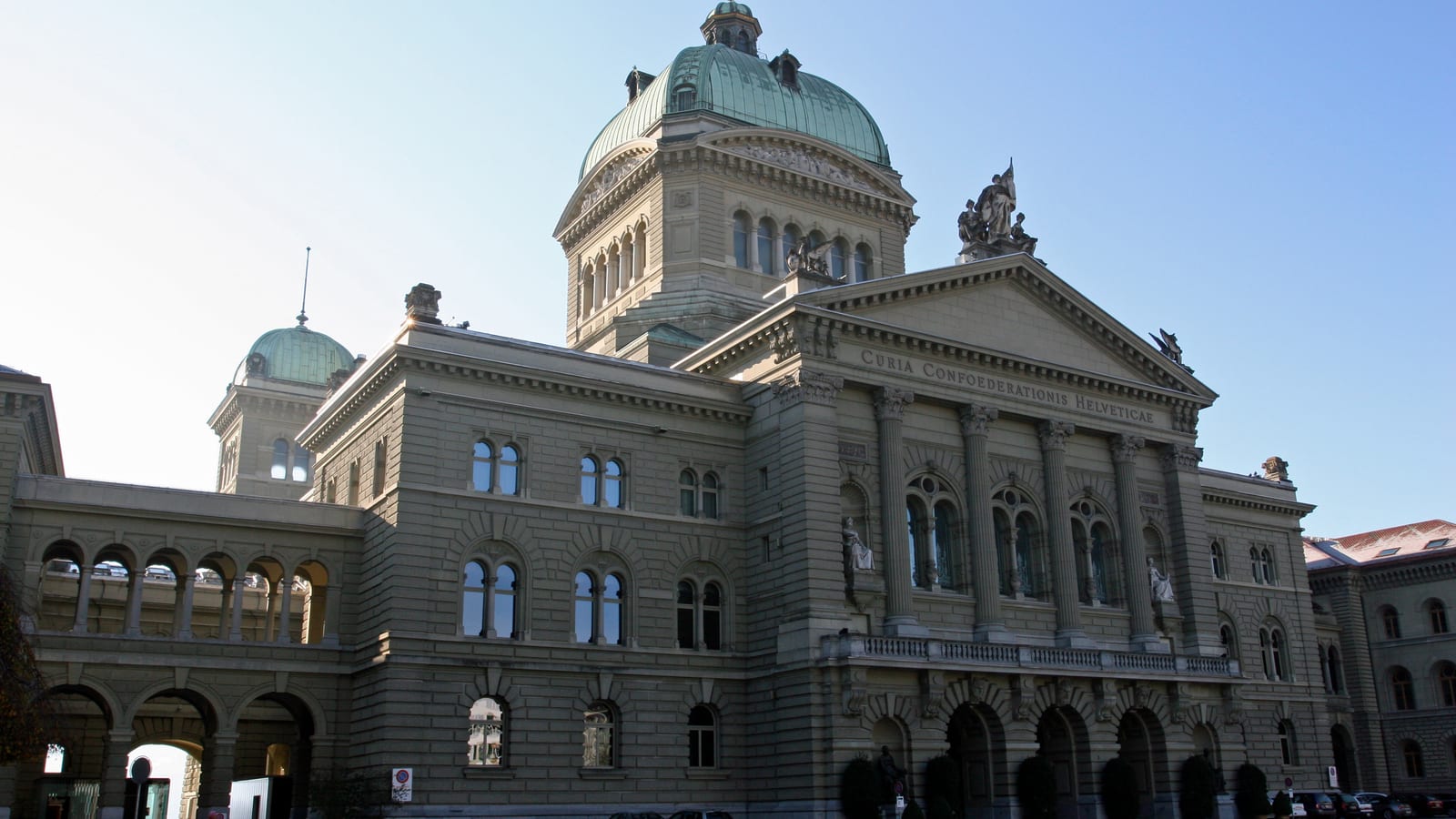
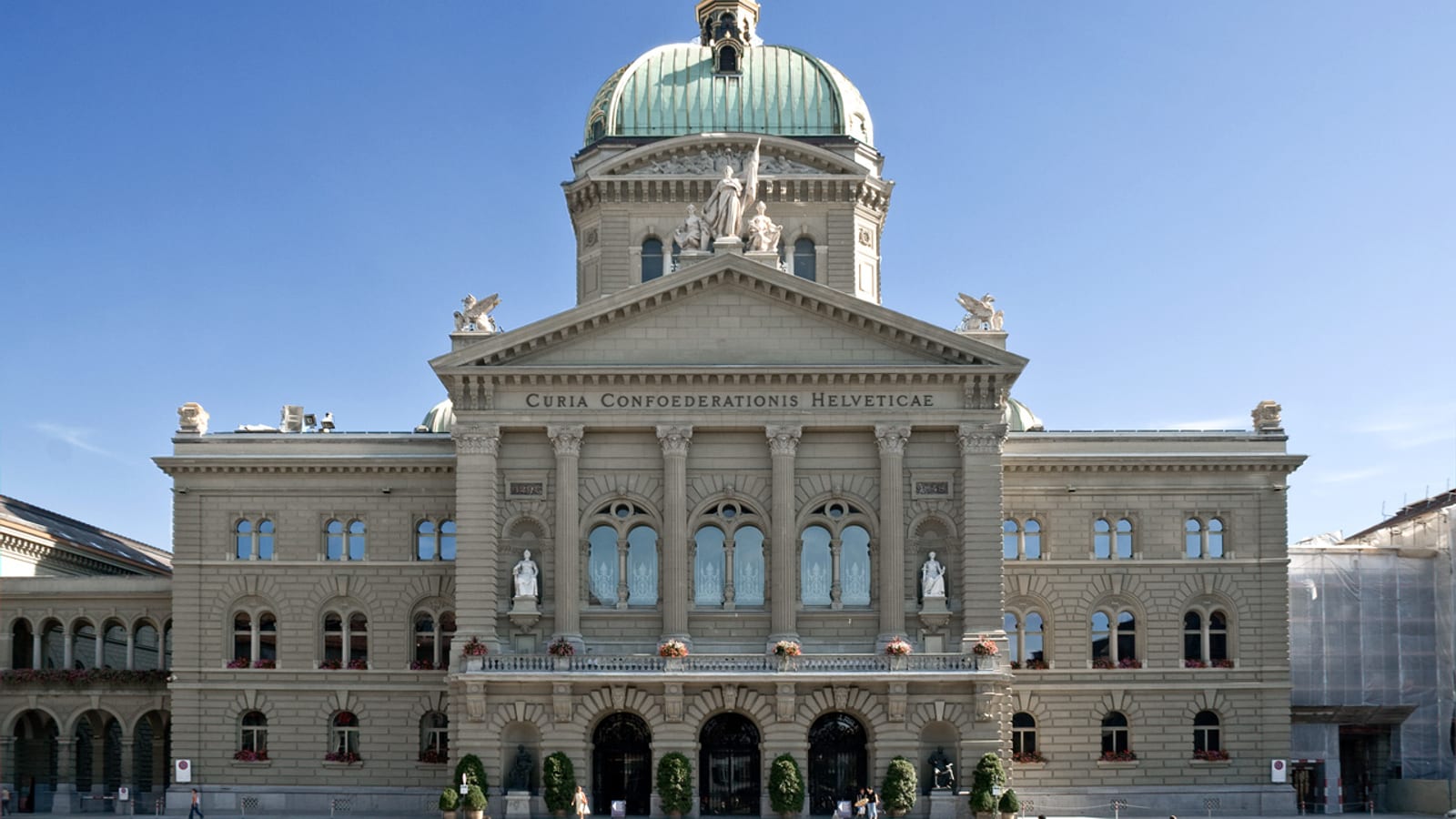
That is why the debate in Parliament is not over. At the end of 2021, several identically worded parliamentary initiatives were submitted seeking to add the characteristic of «sex», or gender identity, to Article 261bis, so that incitement to hatred and discrimination in this area would also be punishable. In parallel, Parliament tasked the Federal Council with reports on hate speech and on the situation of non-binary people (among them Postulate 23.3501 of the National Council's Legal Affairs Committee). The current status of these items can be checked at any time in Parliament's Curia Vista business database — we do not give a day-by-day snapshot here, because the procedural state keeps changing.
For those affected, the practical point matters: anyone who experiences or witnesses discrimination or hate speech can document incidents with queer counselling services and through reporting platforms. Organisations such as Pink Cross and the Transgender Network Switzerland (TGNS) record such incidents, offer advice and campaign politically to close the gap. Visibility and reports help to demonstrate the scale of the problem — and they support the call for better protection.
Queer Switzerland continues to follow this file because it has concrete consequences for the everyday lives of queer people across Switzerland. The official text of the law is available from the federal government via Fedlex, and the status of the parliamentary initiatives via Curia Vista. This piece is general information and not legal advice; for specific incidents, turn to a counselling service or legal support.
Source: Fedlex — Schweizerisches Strafgesetzbuch (SR 311.0), Art. 261bis