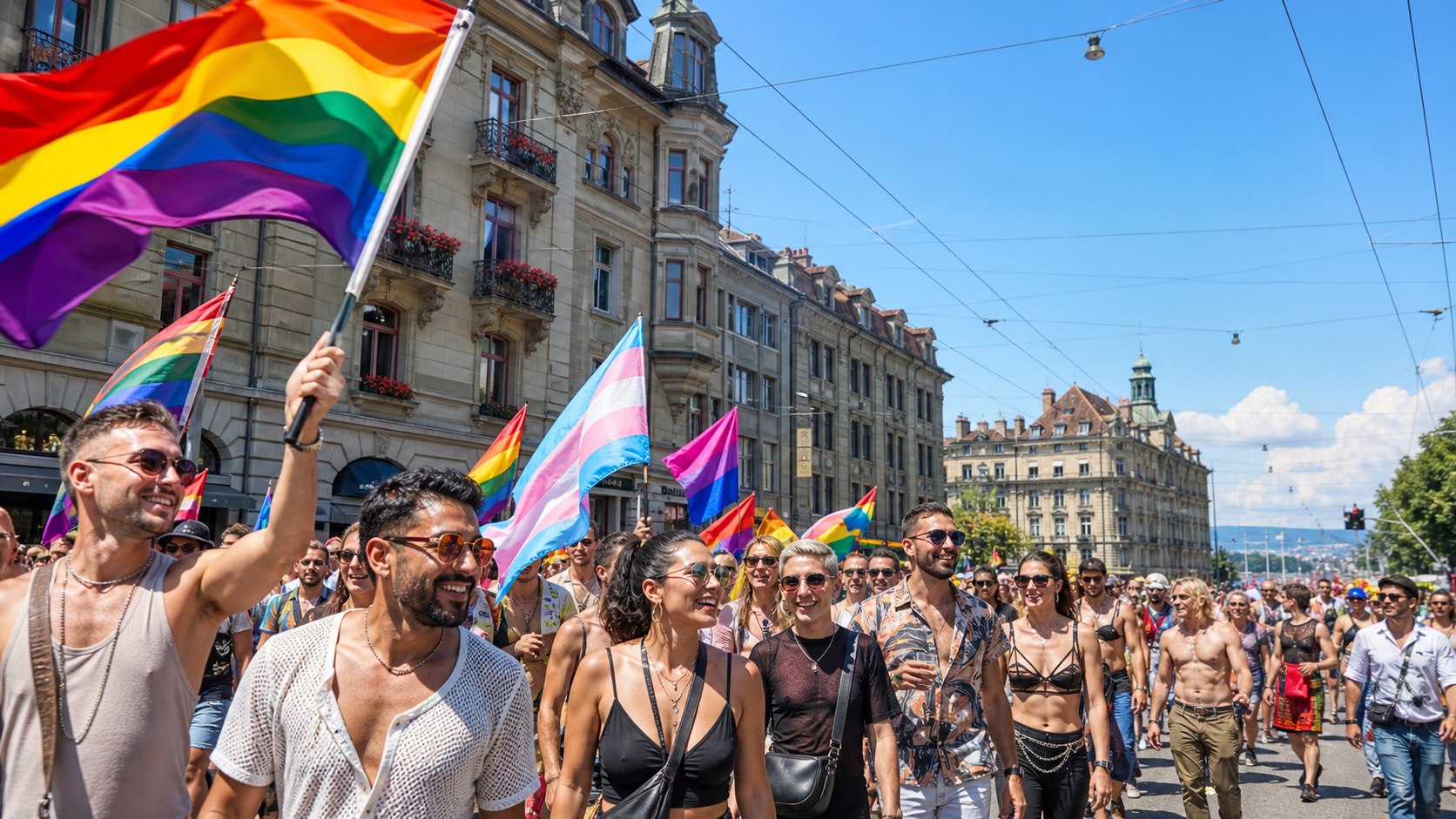
Marriage for All in Switzerland: what concretely changed since 1 July 2022
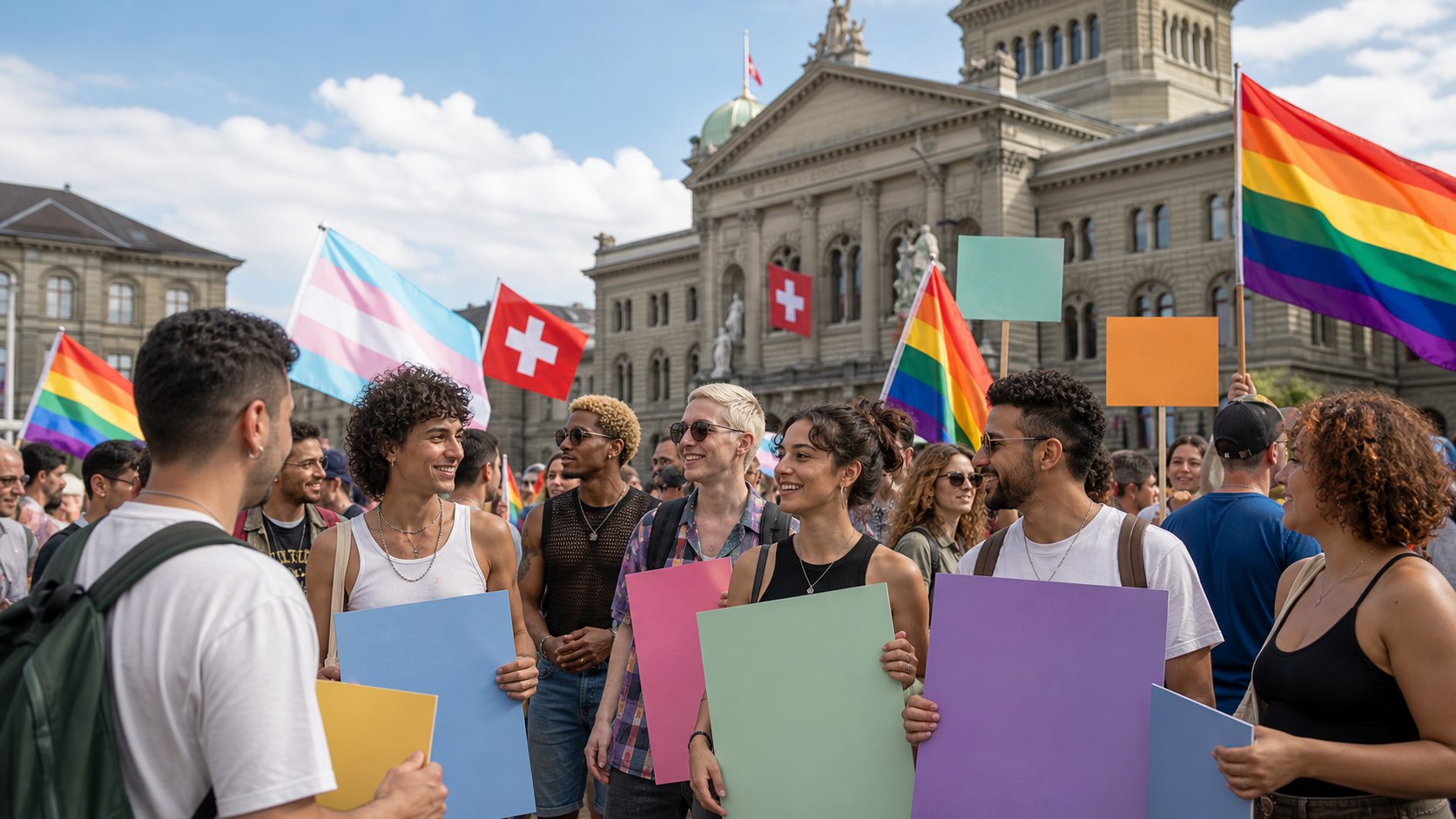
Marriage for All — «Ehe für alle» — has been in force in Switzerland since 1 July 2022. It became possible through the popular vote of 26 September 2021, when 64.1 percent voted yes and all 26 cantons approved it — an unusually clear result for a socially contested reform. Since then, civil marriage in Switzerland has been open to couples regardless of gender: two people of full age and capable of judgement can marry, with the same rights and obligations the Civil Code provides for all married couples.
The most visible break with the old legal situation concerns the registered partnership. It had been introduced in 2007, at a time when marriage was closed to same-sex couples. Since 1 July 2022, no new registered partnerships can be created — the institution is closed to the future. Couples who had registered a partnership before that date are not affected, however: an existing partnership remains valid and simply continues, for as long as the partners want it to.
Those who do want to take the step to marriage can convert their registered partnership into a marriage through a joint declaration at the civil registry office. Importantly, this declaration of conversion is not subject to any deadline. Couples are under no time pressure and can decide for themselves whether and when to convert. Conversion also affects the matrimonial property regime: while separation of property was the ordinary regime for registered partnerships, marriage uses participation in acquired property. For many couples that is a concrete difference for assets and pensions, which is why advice can be worthwhile.
The most far-reaching changes are in family law. Since the reform, married same-sex couples can jointly adopt a child — previously the most they could do was stepchild adoption, that is, adopting their partner's child. This places rainbow families on a broader and more secure legal footing, which matters for the children in areas such as parental responsibility, maintenance and inheritance.
Also new — and especially contested during the campaign — is access to sperm donation. Switzerland allows legally regulated sperm donation only for married couples. With the opening of marriage, this route is now open to married female couples too, who previously had to seek treatment abroad. This has tangible consequences for parentage: a child born within the marriage can have two legal mothers from the outset, without the need for a separate adoption procedure.
The reform also has effects in citizenship law. Foreign spouses of Swiss nationals can benefit from facilitated naturalisation — a procedure that is faster and less demanding than ordinary naturalisation. This right was previously open only to marriages between a woman and a man; since 1 July 2022 it expressly applies to the foreign wife of a Swiss woman and the foreign husband of a Swiss man as well. The specific requirements and time limits are set by the State Secretariat for Migration (SEM).
The distinction from the registered partnership matters here: several of these new possibilities are expressly tied to marriage. Joint adoption, access to regulated sperm donation and facilitated naturalisation are open to married couples — not to registered partners who do not convert their partnership. For couples planning these steps, converting to a marriage is therefore more than a symbolic question. In an international context, the reform also means that a same-sex marriage validly concluded abroad is now registered in Switzerland as a marriage, and no longer treated — as it was before — as a registered partnership.
The response was substantial from the start. In the first months, many same-sex couples married and many converted their registered partnership into a marriage. The exact figures vary by survey and year; anyone looking for current statistics will find them at the Federal Statistical Office. For the community, Marriage for All was a historic milestone — the equality in civil law that organisations had campaigned for over decades.
It is not, however, an endpoint. Gaps remain — for instance around rainbow families with more than two legal caregivers, the legal recognition of children born through surrogacy abroad, and broader questions about the protection of trans and intersex people, which Marriage for All did not address. Everyday implementation — from official forms to cross-border situations — also continues to raise questions.
Queer Switzerland follows this topic and updates this overview when the legal situation changes. For the authoritative and always up-to-date information, see the official federal source (link below). This article is general orientation and does not replace legal advice; for specific questions about marriage, conversion, adoption, starting a family or naturalisation, it is worth contacting the civil registry office, the SEM, or a specialised service such as Pink Cross or an LGBTIQ legal advice line.
Source: Schweizerische Eidgenossenschaft / admin.ch — Marriage for all