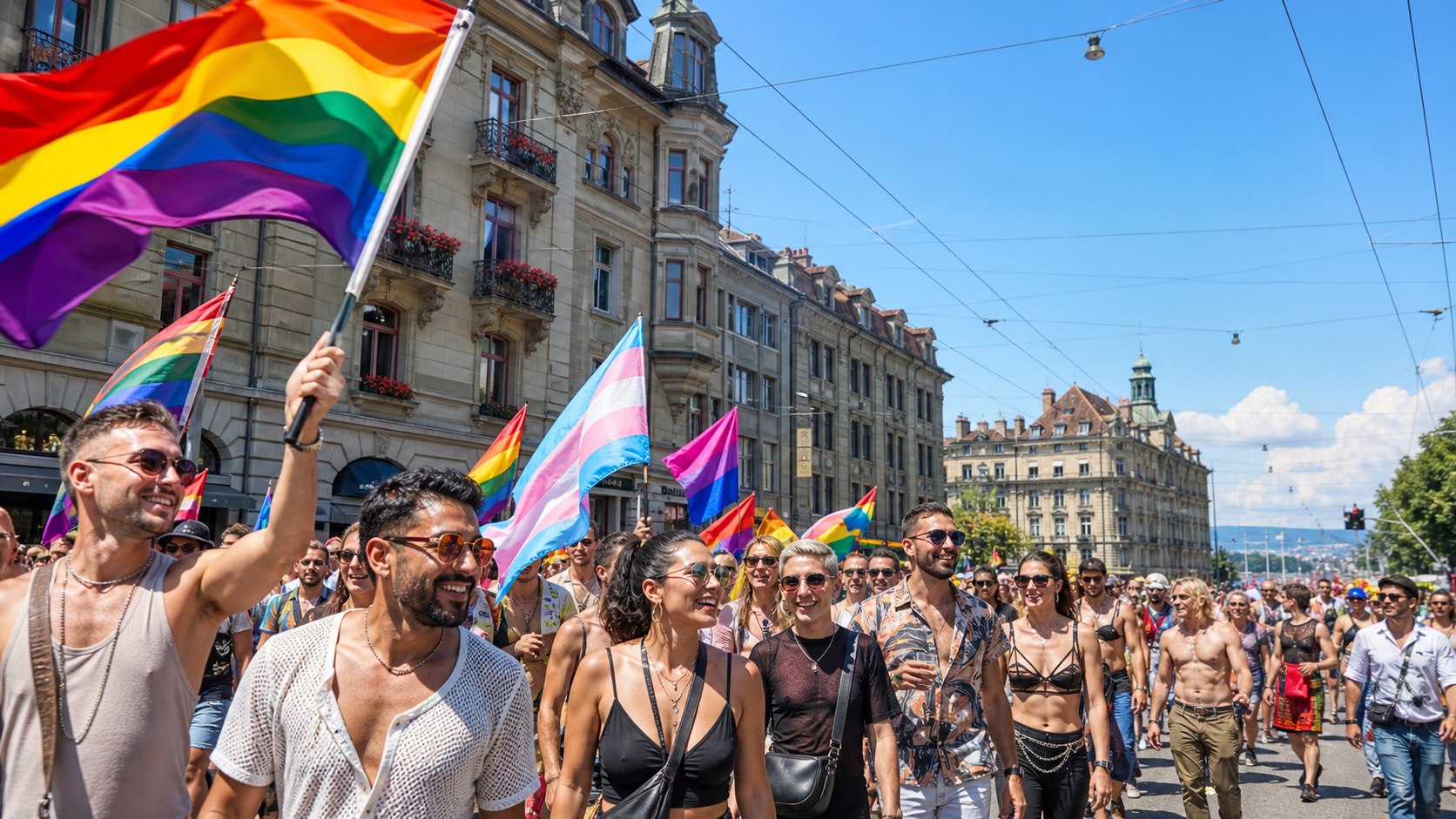
Mpox and the Vaccine: Calm, Clear Facts for Gay and Bi Men in Switzerland
Mpox is a viral illness caused by an orthopoxvirus, related to the virus that once caused smallpox. In the strain that has circulated internationally since 2022, it spreads mainly through close physical contact, including the skin-to-skin and mucous-membrane contact that happens during sex. The Federal Office of Public Health (BAG/OFSP) describes transmission as occurring above all through direct contact with skin, mucous membranes and infected secretions, and notes it can also pass through scabs, respiratory droplets and other bodily fluids. The point worth keeping in view is plain and free of drama: mpox is not a "gay disease", and the virus does not care who anyone is. It travels along close contact, and right now some of that contact happens within sexual networks where men have sex with men. That is an epidemiological observation, not a verdict on anyone.
The typical course is uncomfortable but, for most healthy adults, self-limiting. According to the BAG, symptoms usually appear roughly five to twenty-one days after exposure and can include a rash with blisters or pustules, flu-like signs such as fever, chills and head, muscle or back pain, and lesions in the genital or anal area. Sometimes the symptoms are mild or limited to a single spot, which is exactly why the illness can be missed or mistaken for something else. People who are immunocompromised, very young children and pregnant women face a higher risk of a more severe course. If you suspect mpox, the sensible step is to phone a doctor or a sexual-health service before turning up in person, so they can advise you and avoid onward transmission.
Vaccination is where prevention becomes practical. The BAG recommends the mpox vaccine for groups with higher likely exposure: men who have sex with men and trans persons who frequently change sexual partners, people occupationally exposed to the virus such as certain laboratory and medical staff, and close contacts of confirmed or suspected cases. The vaccine used in Switzerland is Jynneos from Bavarian Nordic, which the authorities describe as safe and highly effective at preventing severe disease. For people with no prior protection the standard course is two doses given about four weeks apart; a booster may be advised where the risk continues. Crucially, the costs of the vaccine and its administration are covered by basic health insurance, so cost should not be the obstacle.
The vaccine also has a role after a possible exposure, not only before one. The BAG notes that a precautionary post-exposure vaccination should ideally be given within four to fourteen days of contact with a confirmed or suspected case. That window matters: if you think you have been exposed, the earlier you seek advice, the more options you have. This is one of those situations where acting quickly and without embarrassment genuinely changes the outcome, and sexual-health services in Switzerland are well used to these conversations and treat them as routine.
In practice, vaccination in Switzerland is organised by the cantons, and the BAG/OFSP page lists contact points for all twenty-six of them along with the centres that offer the jab. A professional consultation is part of the process, which is also a good moment to ask any questions about timing, doses and your own situation. Community organisations make the path easier too: the Swiss AIDS Federation (Aids-Hilfe Schweiz) and its Dr. Gay service provide plain-language information, testing and counselling, and can point you to where to get vaccinated. None of this requires you to explain or justify your sex life to anyone; the services exist precisely to be used calmly and confidentially.
One last, important caveat. Public-health recommendations on mpox have shifted as the situation has evolved, and they may shift again — eligibility, the number of doses, booster guidance and the assessment of risk can all be updated as new evidence arrives. For that reason this article is information, not medical advice, and the figures and criteria here should be read as a general orientation rather than a personal prescription. Before you act, check the official BAG/OFSP mpox page for the current recommendations, and speak to a doctor or a sexual-health service about what applies to you. Queer Switzerland will keep following this topic; if you need to talk things through confidentially, the Swiss AIDS Federation helpline and Dr. Gay are good places to start.
Source: Bundesamt für Gesundheit BAG / Office fédéral de la santé publique OFSP